My lips have taken the worst beating on every long trip I have packed for. Cabin air is brutal, layovers in humid airports dry everything out, and once I step into actual sun for the first time in days, the damage happens fast. I spent years grabbing whatever plain lip balm I found at the airport newsstand and wondering why my lips were still peeling by day two of a trip.
The answer was SPF. Regular lip balm hydrates but leaves the skin unprotected. The lips have very thin skin and no melanin, which makes them surprisingly vulnerable to sun damage, dryness, and long-term discolouration. Switching to an SPF lip balm made a real difference for me, especially on beach trips and high-altitude destinations.
Here are the top rated SPF lip balms worth keeping in your travel bag this year.
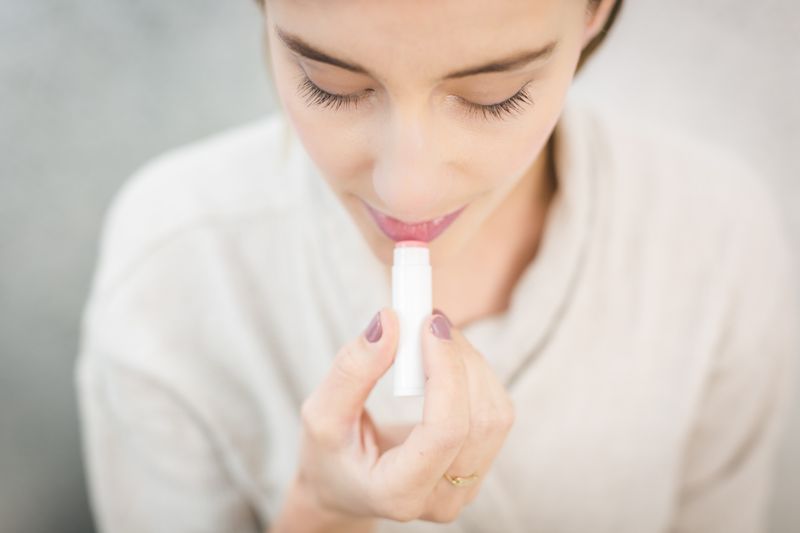
Is SPF Lip Balm Actually Worth It on a Trip?
Short answer: yes, and more so than most people realise. The lips are one of the most sun-exposed parts of the face, but they are almost always skipped when applying regular sunscreen because the texture feels wrong and the taste is unpleasant. SPF lip balms are specifically formulated to feel comfortable on lips, taste neutral or flavoured, and protect at the same time.
Research links chronic sun exposure on the lips to actinic cheilitis, a precancerous condition that shows up as dryness, cracking, and discolouration on the lower lip especially. For frequent travellers who spend long hours outdoors or at altitude, where UV exposure increases significantly, SPF lip balm is a straightforward upgrade.
The best products in this category protect, moisturise, and wear comfortably enough that you actually reapply them throughout the day, which matters more than the SPF number alone.
What SPF Level Should a Lip Balm Have?
Dermatologists generally recommend SPF 30 or higher for daily lip protection, and SPF 50 if you are going to be at the beach, skiing, or otherwise exposed to intense sun. That said, SPF 15 applied consistently throughout the day still offers real protection, and for everyday city trips it is a reasonable minimum.
More important than the number is whether the formula is broad spectrum, meaning it blocks both UVA and UVB rays. UVA rays are the ones responsible for long-term damage and pigmentation changes, and they penetrate even on cloudy days and through glass. Check for the words broad spectrum on the label before buying.
For most travel situations, SPF 30 to 50 broad spectrum in a formula you actually like using is the sweet spot.
Can You Wear SPF Lip Balm Under Lipstick or Gloss?
Yes, and this is one of the best habits to build into your routine. Applying an SPF lip balm as a base before any tinted product adds a layer of protection that the lipstick or gloss alone does not provide. Most lipsticks do not have broad-spectrum SPF, and the ones that do are typically SPF 15 or lower.
Look for a lip balm with a smooth, non-greasy finish if you plan to layer it under colour. The EltaMD and Jack Black formulas work well for this because they absorb quickly and do not create a slippery layer that makes lip colour slide around. The Sun Bum formula is a bit glossier and works better as a standalone product or under a sheer gloss.
For maximum protection on beach days, skip the lipstick entirely and use a higher-SPF balm that you can reapply freely every two hours.
What to Look for in a Travel Lip Balm with SPF
When you are picking an SPF lip balm for a trip, a few practical factors matter beyond the SPF number itself.
Size and format are important. A standard stick format travels easily and fits in a carry-on pocket without spilling. Pot or tube formats can be messier but sometimes provide more moisture. For air travel, a stick is generally the easiest option.
Texture matters more than people think. A lip balm you find too waxy, too sticky, or too sheer will sit in your bag unused. Test before you travel, especially if you are switching to a new brand.
Look for added skincare ingredients. The best travel SPF lip balms go beyond just UV filters and include hyaluronic acid, ceramides, aloe, or vitamin E for real hydration. Altitude and recycled cabin air dry lips out quickly, so a formula with good moisturising ingredients earns its place in your toiletry bag.
Top Rated SPF Lip Balms Worth Packing in 2026
EltaMD UV Lip Balm Broad-Spectrum SPF 31 is consistently one of the top recommendations from dermatologists. It uses zinc oxide as the active ingredient, which makes it mineral and reef-safe, and the formula includes hyaluronic acid for moisture retention. It wears comfortably as a standalone or under lip colour and has no noticeable taste.
Sun Bum Original SPF 30 Sunscreen Lip Balm is a crowd favourite for beach and outdoor travel. It comes in a range of flavours, is cruelty-free and reef-safe, and the formula is enriched with vitamin E. The glossy texture is satisfying, and the tropical scent fits the beach setting. Available on Amazon in multipacks, which makes it a practical choice to keep one in every bag.
Supergoop Lipshade 100% Mineral SPF 30 works as both a lip tint and sun protection in one. It is pure mineral (zinc oxide only), which is good for sensitive skin types, and the sheer tints add a natural finish. If you are minimising products on a trip, this is a strong two-in-one option.
Jack Black Intense Therapy Lip Balm SPF 25 is one of the best hydrating formulas available. It contains green tea, shea butter, and vitamin E alongside the UV filters, and the finish is comfortable enough to wear all day. The SPF 25 is slightly lower than the others on this list, but the combination of hydration and protection makes it a reliable everyday option for city trips and moderate sun.
COOLA Liplux Organic SPF 30 is made with certified organic ingredients and has a lightweight, non-sticky finish. It is ideal for travel to warm climates and layering under gloss. The formula is free of parabens and PEGs, which matters for travellers who are selective about what they put on their lips throughout the day.
Frequently Asked Questions
Do I need SPF on my lips every single day?
Yes, if you are spending any time outdoors. Even on overcast days UVA rays penetrate cloud cover and can cause cumulative damage. Building a lip balm with SPF into your morning routine takes no extra time and significantly reduces long-term risk.
Is mineral SPF lip balm better than chemical SPF lip balm?
Mineral options (zinc oxide or titanium dioxide) sit on the skin surface and reflect UV rays immediately, which makes them slightly faster to work. Chemical filters absorb UV energy and convert it to heat. Both are effective. Mineral is often better tolerated for sensitive or reactive skin, and is typically reef-safe, which matters for ocean swimming.
How often should I reapply SPF lip balm?
Every two hours when you are in active sun, and after eating, drinking, or swimming. Because lips are used constantly, reapplication matters more here than on other parts of the face. Most SPF lip balms are small enough to carry in a pocket or small bag, which makes reapplication easy.
Does tinted lip balm with SPF provide real protection?
It depends on the SPF level and whether it is broad spectrum. A tinted balm with SPF 15 and no broad-spectrum label provides limited protection. Look for SPF 30 broad spectrum even in tinted formulas, and the Supergoop Lipshade or COOLA options are good examples of tinted products that take sun protection seriously.
Can I use SPF lip balm at altitude?
Absolutely, and you should prioritise it. UV exposure increases approximately 10 to 12 percent for every 1,000 metres of elevation gain. Ski trips, high-altitude hikes, and mountain destinations are the situations where lip protection matters most and is most often skipped.
SPF lip balm is one of the smallest additions to a travel skincare kit and one of the most consistently overlooked. Picking one formula you actually like and keeping it accessible throughout the day is all it takes to build a real habit out of it.