I spent most of my early 20s thinking the answer to good skin was more products, more steps, and more money. After three years of trial and error, I learned that the real shift was the opposite. The five skincare mistakes I'll walk through in this post cost me hundreds of dollars and a stressed out skin barrier, and once I stopped making them, my routine got smaller, cheaper, and finally started to actually work. If you are in your 20s and your skin feels worse the harder you try, this guide is the one I wish I'd had at 22.
Key Takeaways
- Your skin barrier matters more than any single active ingredient. Repair it first, optimise later.
- Layering too many actives at once is one of the biggest reasons routines stop working.
- Sunscreen is the closest thing to an anti ageing product in your 20s, full stop.
- Buying based on viral hype almost never matches buying based on your actual skin type.
- A boring routine that you actually follow beats a perfect routine you cannot keep up.
Mistake One: Treating Every Skin Issue With a New Product
For a long time my approach was reactive. A breakout meant a new spot treatment. Dullness meant a new vitamin C serum. Dryness meant another oil. I had a whole shelf of half used bottles and skin that looked tired and reactive at the same time.
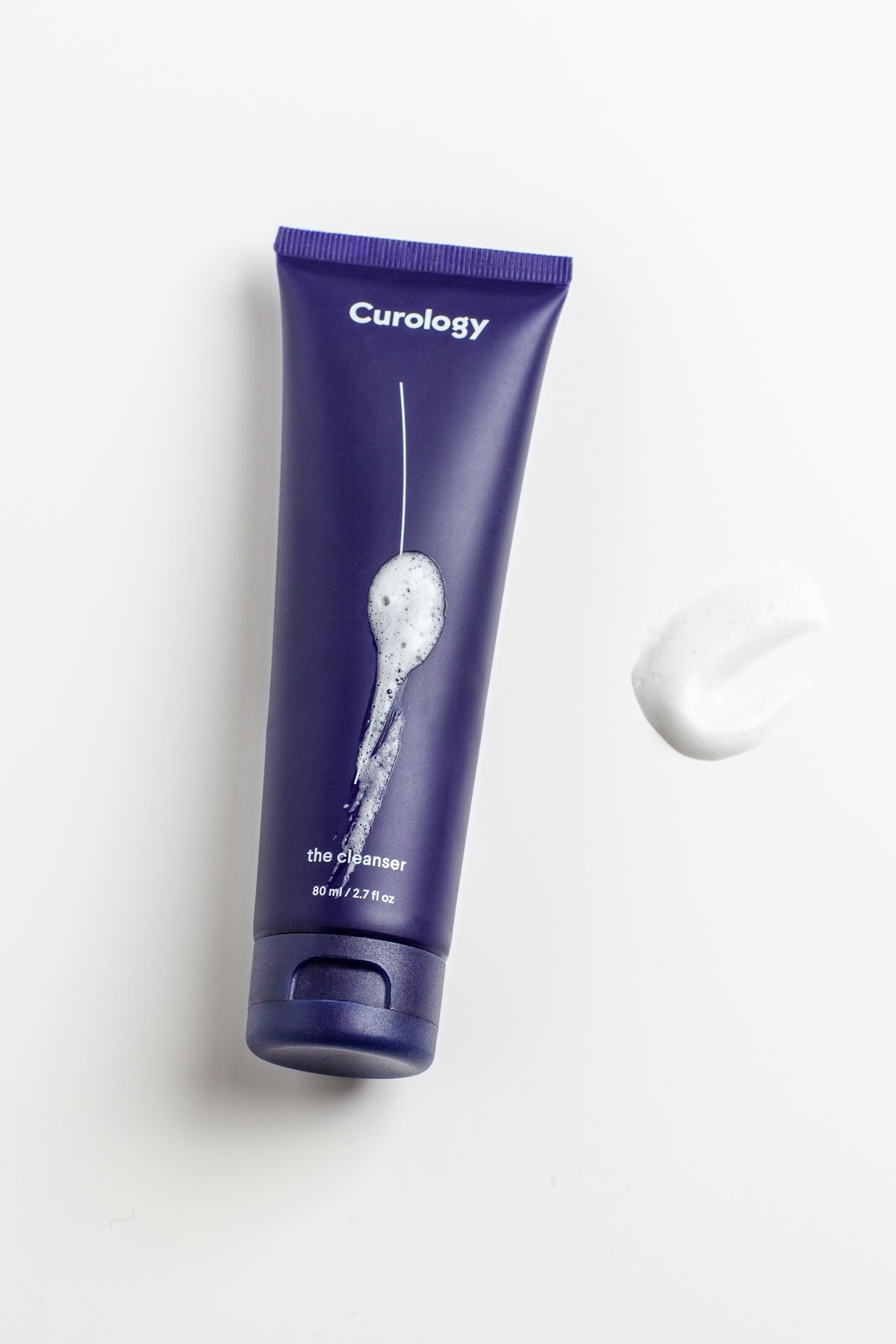
What I did not realise was that almost every issue I was chasing came from the same root cause, a stressed skin barrier. I was treating symptoms while damaging the foundation. Once I dropped down to a gentle cleanser, a basic moisturiser, and SPF for two weeks, most of the chaos calmed on its own. The new products had been the problem the entire time.
The most powerful skincare upgrade in my 20s was buying less, not more.
If you want a deeper dive into rebuilding a stripped back routine, my minimalist skincare guide walks through the exact products I kept and the order I use them in.
Mistake Two: Layering Too Many Actives in One Routine
Retinol on Monday, AHA on Tuesday, vitamin C every morning, niacinamide twice a day, salicylic acid spot treatment as needed. On paper it looked like a thoughtful routine. In real life, it was a slow motion barrier failure.
Active ingredients are powerful, but they are powerful at low doses too. Stacking three or four at once usually does not give you three or four times the results. It just irritates your skin until nothing works anymore. The version of my routine that finally delivered actually had fewer actives and more spacing. I use retinol two nights a week, vitamin C three mornings a week, and that is it. My skin responds better to small consistent doses than to a maximalist stack.
Active ingredients are stronger than they look on the label, especially in combination.
If you are confused about how to put a routine together without overdoing it, my skincare layering guide covers the spacing and order I follow now, and where most people go wrong.
Mistake Three: Skipping SPF Because I Didn't Think I Needed It Yet
This is the one that genuinely embarrasses me. I treated sunscreen like a holiday product. Beach trips, hot summer days, sure. But a normal weekday in my 20s? I thought I was too young to need it.
UV damage does not care how old you are. The pigmentation I am now slowly working on did not come from one bad summer, it came from years of skipped Tuesdays. Once I committed to daily SPF, my serums and moisturisers started doing what they promised, because I was not undoing their work every afternoon. Brands like Beauty of Joseon, La Roche Posay, and Biore UV all make daily sunscreens that do not feel heavy, which removed the last excuse I had.
Sunscreen in your 20s is the cheapest anti ageing product on the planet.
For a science backed overview, the American Academy of Dermatology has a really useful FAQ on choosing and using sunscreen daily.
Mistake Four: Buying Based on Viral Hype, Not My Skin Type
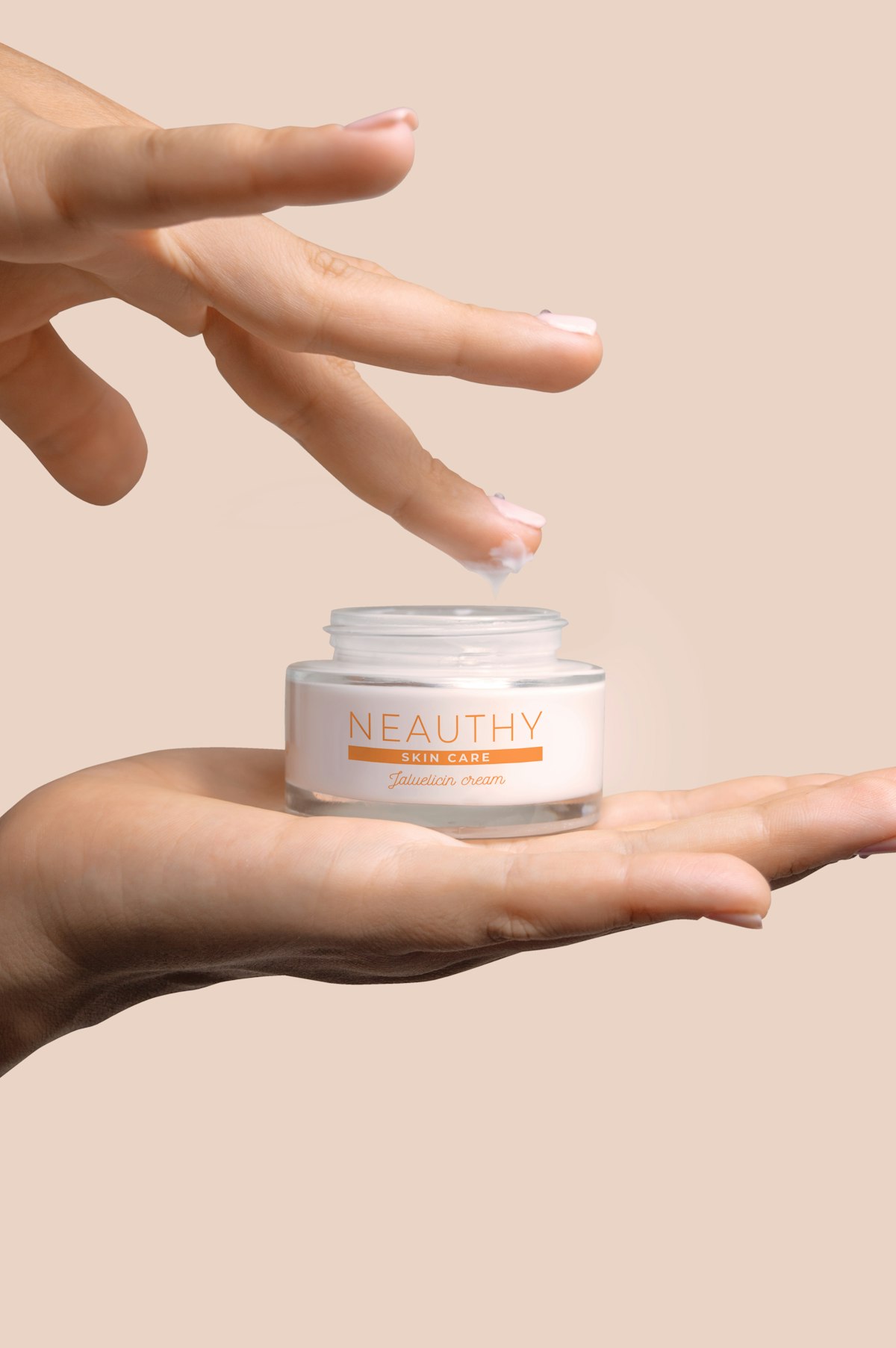
I bought a viral exfoliating toner that made famous reviewers glow. On me it caused weeks of small, angry bumps. I bought a heavy occlusive that worked beautifully for dry, mature skin on YouTube and clogged my combination skin within a week. I kept assuming the product was the problem when, every single time, the problem was that I had ignored what my own skin actually needed.
The shift was learning to read ingredients and check skin type fit before adding anything to my cart. Combination, oily, dry, dehydrated, sensitive, reactive, these are very different starting points, and a hero product for one type can be a disaster for another. Now I read at least three reviews from people with my skin type before I buy anything new. That single filter has saved me a lot of money and a lot of frustration.
What works on someone else is data, not a prescription.
Mistake Five: Quitting Routines Before They Had a Chance to Work
Skincare is slow. New products often need four to six weeks to show what they can do, and most of mine got abandoned by week two. I would assume the product was not working, switch to something else, then repeat the cycle a few weeks later with a different bottle. My skin never had a stable baseline because I never gave it one.
The fix was simple but uncomfortable. I started writing a one line note in my phone every Sunday about how my skin looked and felt. Six weeks of those notes told a much more honest story than my day to day mirror panic. Some products that I had been ready to ditch turned out to be working. Some products I was loyal to turned out to be doing nothing. The patience compounded.
Boring is underrated. Consistent is the actual luxury.
The Routine I Follow Now
This is what my routine looks like after three years of trimming, testing, and finally trusting the basics.
Morning: gentle cleanser, niacinamide serum, moisturiser, SPF 50.
Evening: gentle cleanser, retinol two nights a week, vitamin C three mornings a week, moisturiser.
That is it. No essences, no masks, no twelve step rituals. My skin is calmer, my bathroom shelf is emptier, and I spend a fraction of what I used to. The savings I am building have gone into one good sunscreen and one good moisturiser, both of which I now repurchase every couple of months.
For more on simplifying daily routines beyond skincare, you might also like my piece on building a slow morning routine.
And if you want a science backed deep dive on skin barriers and why they matter, the Healthline guide to your skin barrier is a clear, jargon light read.
Frequently Asked Questions
Is it bad to start retinol in your 20s?
No. Low strength retinol is generally considered safe in your 20s. Start with 0.025 percent or a beginner friendly retinal, use it twice a week, and build up from there. Pair it with a good moisturiser and daily SPF, since retinol can make your skin more sensitive to sun exposure.
Do I really need a 10 step routine for good skin?
Almost never. Most dermatologists recommend a simple core of cleanser, moisturiser, sunscreen, and one or two targeted actives. More steps usually mean more irritation, not better skin. If a viral routine promises miracles in twelve steps, treat that as a marketing signal, not a medical one.
What is the most important skincare product in your 20s?
Daily broad spectrum sunscreen. It is the single product with the strongest evidence behind it for preventing premature ageing, pigmentation, and texture changes. If you only do one thing for your skin in your 20s, make it SPF every morning.
How long should I give a new product before deciding if it works?
For most products, four to six weeks of consistent use. Skin cell turnover takes about 28 days, so anything you judge sooner is mostly guessing. Take a photo at the start and another at week six, then compare. It is much more honest than relying on your bathroom mirror.
What should I do if my skin barrier feels damaged?
Pause all actives. Drop down to a gentle cleanser, a basic moisturiser with ceramides, and SPF. Give it two to four weeks before adding anything back. If it stays inflamed, painful, or looks worse, see a dermatologist rather than experimenting further on your own.
Final Thoughts
If I could go back to my 22 year old self standing in front of a skincare aisle, I would tell her to put down the basket. The routine that actually worked turned out to be smaller, cheaper, and more boring than anything an algorithm has ever recommended to me.
If this hit close to home, tell me, what is the one skincare product you wish you had never bought? I want to hear about it.