A slow evening routine is the most underrated tool I have for sleeping better, feeling less wired at night, and waking up to a calmer morning. This guide walks you through how to build a slow evening routine that actually fits your real life, with specific timing windows, simple rituals you can do in fifteen to forty five minutes, and small skincare and mindfulness practices that genuinely calm the nervous system. You will learn what to cut, what to keep, and how to design a wind down sequence that does not feel like one more task on your to do list. If you want better sleep, lower cortisol in the evening, and softer mornings, this is for you.
I used to think a slow evening routine meant lighting a candle and lying perfectly still until I fell asleep. It is so much more practical than that. It is a sequence of small permissions you give yourself at the end of the day. Permission to stop performing. Permission to stop optimizing. Permission to be soft.
. . .
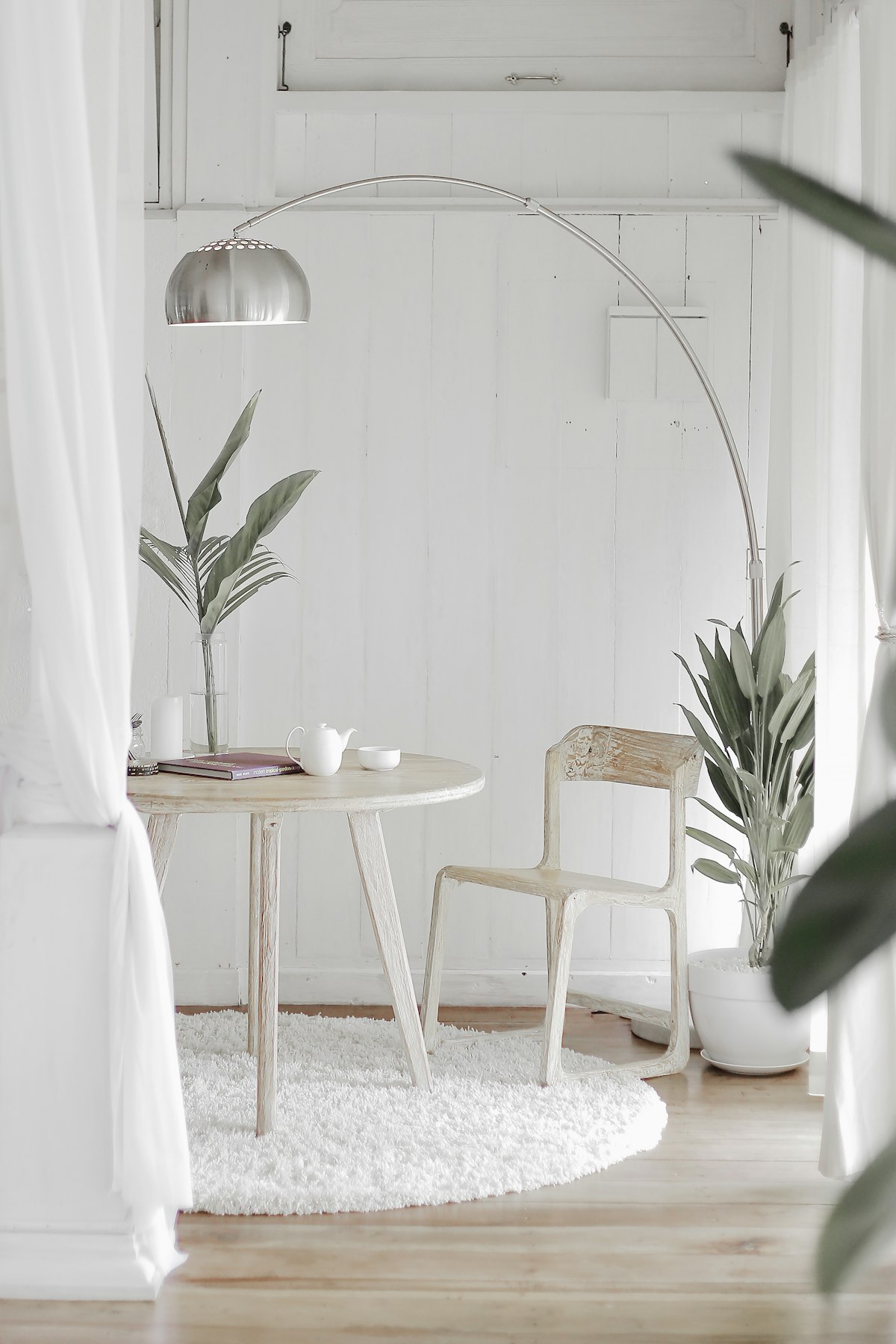
Photo by Imani Bahati on Unsplash
What a Slow Evening Routine Actually Is
A slow evening routine is a deliberate, low stimulation sequence of activities that helps your nervous system shift from sympathetic mode, which is alert and task focused, into parasympathetic mode, which is rest and digest. The Sleep Foundation calls this the wind down window, and research suggests it should be roughly sixty to ninety minutes long for most adults.
It is not the same as a hard bedtime. A slow evening routine is everything that happens before bed. It is the bridge, not the destination.
The point is not to be productive in the evening. The point is to recover.
Why a Slow Evening Routine Beats Strict Bedtime Rules
Most sleep advice tells you to be in bed by ten thirty, no screens past nine, no caffeine after two. Useful, but rigid. Rigid plans collapse the first time you have a late dinner or a long workday.
A slow evening routine works because it is a sequence, not a schedule. You move through the same five or six anchor activities every night, but the start time can shift. Your nervous system learns to associate the sequence itself with sleep, the same way it once associated a school bell with the end of class.
The Harvard T.H. Chan School of Public Health has a useful primer on sleep and circadian rhythm that explains why dim light, cool rooms, and consistent rituals matter more than any single bedtime number.
The Five Anchors of a Slow Evening Routine
Every slow evening routine I have built for myself or my friends includes the same five anchors. You do not need all five every night. Pick three on a rough day, four on a normal day, and five when you really want a soft morning.
Anchor one is a dim light cue. About an hour before bed, I turn off overhead lights and switch to one warm lamp, usually a Philips Hue bulb at three percent brightness or a small salt lamp. The drop in ambient light triggers melatonin release. Even your phone helps if you switch on Night Shift or Twilight mode.
Anchor two is a body reset. A five minute shower at lukewarm temperature, a gua sha pass on the jaw, or a barefoot walk around your apartment. Anything that brings you back into the body before bed.
Anchor three is a small skincare ritual. Not a ten step routine. Two products at most. I cleanse with the Beauty of Joseon Radiance Cleansing Balm and follow with La Roche Posay Toleriane Sensitive moisturizer. The slow circular motion on the face is half the calming effect.
Anchor four is a mind release. Five minutes of writing in a Moleskine, a voice memo to myself, or a slow exhale practice. The exhale practice is simple, breathe in for four counts, out for eight, repeat for six rounds. The longer exhale stimulates the vagus nerve.
Anchor five is a slow input. Something gentle to read or listen to. I rotate between Mary Oliver poems, the audiobook of The Comfort Book by Matt Haig, and the Headspace sleepcast for rainy nights. Never news. Never a thriller.
. . .

Photo by Christin Hume on Unsplash
A Sample Forty Five Minute Slow Evening Routine
If you want a clear template, this is the sequence I use on most weeknights. Start time is whenever I close my laptop, which is usually around nine thirty. The total wind down is forty five minutes.
Nine thirty to nine forty, dim the lights, brew one cup of Pukka Three Chamomile tea, put my phone on the kitchen counter on Do Not Disturb.
Nine forty to nine fifty, lukewarm shower or face wash and gua sha pass. If I worked out that day I add a five minute legs up the wall stretch.
Nine fifty to ten, skincare. Beauty of Joseon balm, La Roche Posay moisturizer, a single drop of Aesop Lucent Facial Concentrate when my skin is dry.
Ten to ten ten, journaling. Three lines only. What I noticed today, what I am letting go of, one specific thing I am grateful for. I learned this format from my slow morning routine guide, the evening version is just the inverse.
Ten ten to ten fifteen, slow input. A poem, a chapter, or a sleepcast.
Then I am in bed by ten fifteen with the room at sixty seven degrees Fahrenheit. The sleep tracker on my Oura ring usually shows me hitting deep sleep within twenty minutes.
How to Make Your Slow Evening Routine Stick
The hardest part of any slow evening routine is the first ten minutes, when your brain wants to scroll or finish one more email. Three small tricks help.
First, anchor the routine to something that already happens. For me it is closing my laptop. For my friend Priya it is brushing her teeth. The cue must already exist in your night.
Second, lower the bar dramatically on hard days. A slow evening routine that runs nine minutes is still a slow evening routine. The Mayo Clinic has a good piece on stress and sleep hygiene that reinforces this, consistency beats intensity.
Third, protect the routine from your phone. Charge it outside the bedroom or in a drawer. The phone is the one thing that will quietly undo every other anchor you built.
What to Cut From Your Current Evening
If you are trying to build a slow evening routine and it keeps failing, look at what you are doing now that crowds it out. The most common culprits I see in friends are late workouts past eight, doomscrolling after dinner, large meals after nine, and watching anything with cliffhangers within two hours of bed. None of these need to disappear forever. They just need to move earlier.
If you live in a small apartment like I do in Cambridge, your kitchen, your living room, and your bedroom often overlap. A simple way to signal evening mode is changing one thing in each space, a warm lamp on in the kitchen, a candle on the coffee table, the curtains drawn in the bedroom.
Key Takeaways
- A slow evening routine is a sequence of five anchors, not a strict schedule. Aim for sixty to ninety minutes total.
- The five anchors are dim light, body reset, small skincare ritual, mind release, and slow input.
- Forty five minutes is plenty for most weeknights. Nine minutes is still better than nothing.
- Protect the routine from your phone above all else.
- Consistency in the sequence matters more than rigid bedtime numbers.
Frequently Asked Questions
How long should a slow evening routine be?
Sixty to ninety minutes is the sweet spot for most adults, but a forty five minute version works on busy weeknights. Even a fifteen minute version helps if you keep the sequence consistent.
Can I do a slow evening routine if I work late?
Yes. The routine adjusts to your end time, not the clock. If you finish work at eleven, your wind down starts at eleven and bedtime moves to eleven forty five. The sequence matters, the clock number does not.
What skincare should I do in a slow evening routine?
Keep it to two or three products. A gentle cleanser, a moisturizer, and a single targeted product if your skin needs it. Slow application is half the benefit. For a fuller guide see my minimalist skincare routine.
Do I need supplements like magnesium or melatonin?
Not necessarily. Most people who build a real slow evening routine sleep better without supplements. If you do try magnesium glycinate, take it about an hour before your wind down begins, not at bedtime.
How fast will I see results?
Most people notice softer mornings within four to seven nights. Real deep sleep improvements take two to three weeks of consistency.
. . .

The slowest part of your day can become the part that holds the rest together.
If this helped, I would love to hear what your version looks like. Tell me your favorite anchor in the comments, or read the companion piece on building a slow morning routine that sticks.