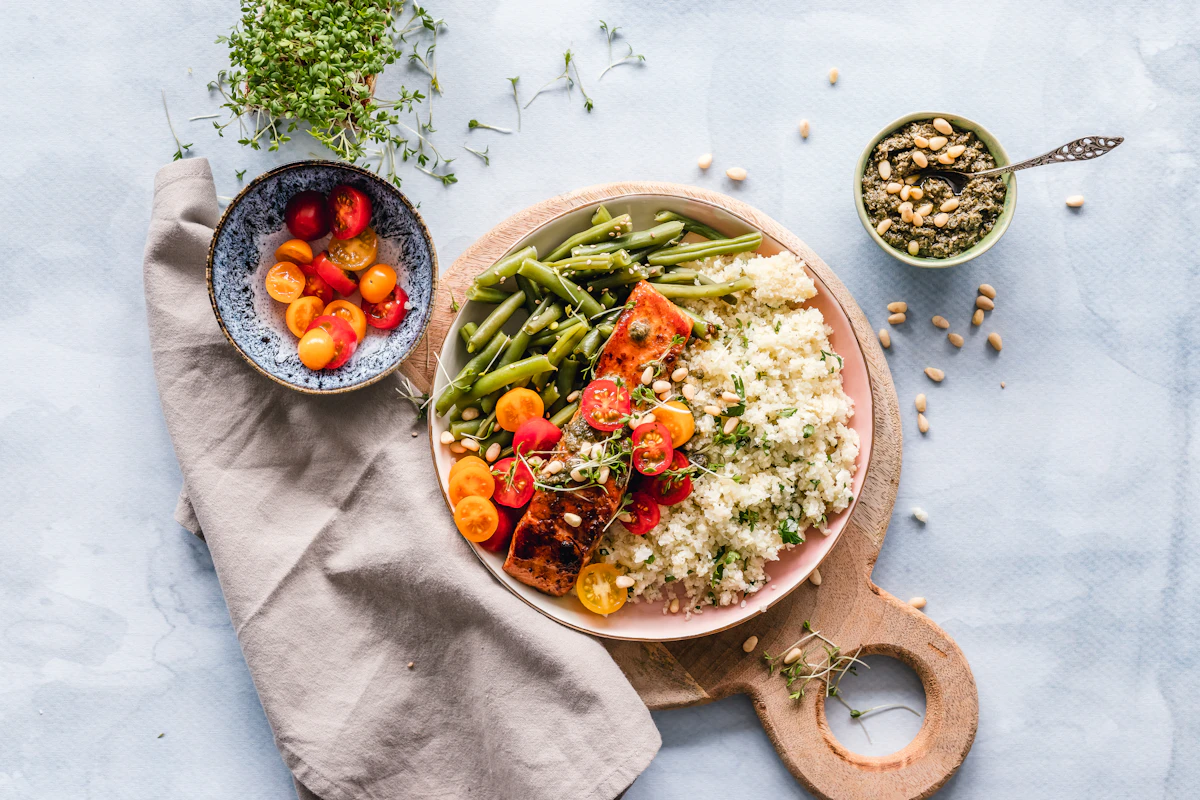
Cooking for one without wasting food is a quiet skill that nobody teaches you when you start living alone, and it is the difference between a fridge full of slime by Sunday and a week of small, real meals you actually want to eat. This solo cook's guide walks you through pantry choices, fridge rotation, three core techniques, six small batch recipes, and a one ingredient three ways method that uses up everything from a single bunch of cilantro to half a butternut squash. By the end you will know how to shop for one, store for one, and cook for one without the guilt of throwing things out at the end of the week. It is part system, part permission to be unfussy, and it makes feeding yourself well feel sustainable instead of like another performance.
I started cooking for one seriously after I moved into my first solo apartment in Cambridge, Massachusetts, with a fridge the size of a hotel mini bar and a real fear of wasting food. The first three months were a disaster of mushy spinach and freezer burned chicken thighs. What you are about to read is the system I built across those three months and have refined every week since.
. . .
Why cooking for one is quietly hard
Most recipes online assume you are feeding three to four people. A standard NYT Cooking recipe calls for one pound of pasta, a whole bunch of parsley, two cups of stock, a full can of tomatoes. When you cook the whole thing, you eat the same dish for five days and start resenting it. When you halve it, the math gets weird and you still end up with half an onion sweating in the fridge.
Grocery stores compound this. A single jalapeño costs almost the same as a bag of five. A bunch of cilantro is too big. A whole rotisserie chicken feels excessive but the chicken thigh pack is also four to a tray. It feels designed for a family you do not have.
There is also the emotional part. Cooking for yourself can feel like effort that nobody else will witness, which makes it easier to skip and order delivery. The whole point of this guide is to lower the activation energy so that feeding yourself well becomes the easier choice.
Build a pantry that actually stretches
The biggest unlock for cooking for one is the pantry. A small pantry of high impact ingredients turns half a leftover vegetable into a real meal without another grocery run.
Here is the short list I keep stocked in a single shelf and one drawer:
Fats and acids: olive oil, toasted sesame oil, rice vinegar, soy sauce, lemons, Dijon mustard. These five can rescue almost any sad vegetable.
Aromatics: garlic, ginger, one yellow onion, one shallot, dried red pepper flakes, cumin. Buy the ginger in small knobs and freeze what you do not use within a week.
Grain anchors: jasmine rice, dried pasta in two shapes (one short, one long), one packet of soba or rice noodles, rolled oats, one can of chickpeas. Each of these gives you a base in under twelve minutes.
Long life proteins: two cans of sardines, one block of firm tofu, two eggs at minimum, parmesan rind, miso paste. Miso is a quiet hero, it adds depth without needing a long simmer.
Notice this list has eighteen items total. That is the whole point. A solo pantry should be small enough to remember and rich enough to never feel limiting. Bon Appétit's pantry primer covers the wider version if you want to expand later.
The fridge system that stops the waste spiral
The reason food rots in solo fridges is not laziness. It is line of sight. If you cannot see the cilantro, you forget it exists. Three rules fixed this for me.
Rule one, the eye level shelf is for "eat this week". Anything I bought with a specific meal in mind sits at eye level. The moment something gets bumped down to a lower shelf, it is on a one day timer.
Rule two, herbs live in a glass jar with water like flowers. Parsley, cilantro, dill, scallions all last twice as long when treated like a small bouquet on the door shelf rather than buried in a clamshell.
Rule three, the "use up" bowl. A small ceramic bowl on the counter for any half ingredient that needs to be eaten in 48 hours. Half a bell pepper, the last two mushrooms, a wilting handful of spinach. When I cook, I check the bowl first. Whatever is in there gets thrown into eggs, rice, or a noodle bowl.
. . .
Three solo cook techniques that save everything
These are the techniques I rely on more than any specific recipe.
One pan rice with whatever. Bring half a cup of jasmine rice and three quarters of a cup of water to a boil with a pinch of salt. Add whatever protein or vegetable is in the "use up" bowl on top. Cover, turn the heat to its lowest setting, and let it cook for twelve minutes. Off heat for five. You now have a complete meal that took one pot.
The fifteen minute stir fry. Heat a tablespoon of neutral oil in your widest pan over medium high. Add aromatics for thirty seconds. Add whichever vegetable wilts fastest first, then sturdier ones. Soy sauce, a splash of rice vinegar, a dash of sesame oil at the end. Eat over rice or noodles.
Eggs as ingredient, not just protein. Two eggs scrambled into rice instantly become fried rice. One egg cracked into a simmering broth becomes egg drop soup. A jammy seven minute egg sitting on top of any bowl makes it feel intentional. Eggs are the single highest leverage ingredient for a solo cook.
Small batch recipes I keep coming back to
Six recipes that scale to one without weird math. Each one uses items already on the pantry list.
Miso butter pasta for one. Cook 80 grams of spaghetti. Reserve a quarter cup of pasta water. In your pan, melt one tablespoon of butter with one teaspoon of white miso and a clove of grated garlic. Add the drained pasta and a splash of starchy water. Toss until silky. Top with parmesan and pepper. Done in eleven minutes.
Crispy chickpea bowl. Drain half a can of chickpeas, pat very dry, fry in olive oil with cumin and a pinch of salt until crisp. Serve over a handful of greens with lemon, tahini, and whatever crunchy thing you have. The other half can goes into tomorrow's stew.
Single serve dal. A quarter cup of red lentils, one cup of water, half a teaspoon of turmeric. Simmer twelve minutes. Bloom cumin and garlic in ghee, pour over. Eat with rice or just with a spoon.
Tomato and white bean toast. Toast one thick slice of sourdough, rub with a halved garlic clove. Top with half a can of warmed cannellini beans crushed with olive oil, finish with chopped fresh tomato, salt, and a torn basil leaf.
Soba with sesame and scallion. Cook one nest of soba. Whisk one tablespoon of soy sauce, one teaspoon of sesame oil, half a teaspoon of rice vinegar, a pinch of sugar. Toss the noodles in the dressing. Top with sliced scallion and toasted sesame seeds.
Frittata for one. Beat two eggs with a tablespoon of milk and salt. Pour into a small nonstick pan with whatever soft cheese and vegetable scraps you have. Cook on low for six minutes covered, until just set. Slide onto a plate. This is my Sunday night meal when I have nothing planned.
How to eat the same ingredient three different ways
The one ingredient three ways trick is what finally stopped my waste problem. The rule, anytime I buy a fresh ingredient that is too big for one meal, I plan three uses for it before I leave the store.
A bunch of cilantro becomes a topping for dal on day one, blitzed into a quick green sauce with olive oil and lime on day two, and chopped into a chickpea salad on day three.
A small head of cabbage becomes shredded slaw for tacos, then quick stir fried with garlic and chili crisp, then sliced into ribbons and tossed into instant ramen.
A pint of cherry tomatoes becomes a raw salad with feta, then slow roasted with olive oil for pasta, then the last few get smashed onto toast with white beans.
This is the single highest leverage habit in this whole guide. Epicurious has a longer take on this same idea if you want a deeper dive.
You can also read these next on Info Planet
If you liked this, you will probably also like these other Info Planet pieces:
How to Cook in Your Airbnb When You Travel covers the same minimalist approach for travel kitchens.
How to Eat Alone at a Restaurant Without Feeling Awkward is the companion to this piece for the nights you do not feel like cooking at all.
Key takeaways
- Stock a small pantry of eighteen high impact ingredients rather than a sprawling one you forget about
- Use eye level fridge real estate, herb jars, and a "use up" bowl on the counter to make ingredients visible
- Lean on one pan rice, fifteen minute stir fries, and eggs as your three core techniques
- Plan three uses for any fresh ingredient that is too big for a single meal before you leave the store
- Cook for one with permission to be unfussy, the goal is sustainability not Instagram
Frequently asked questions
How do I shop for one without buying too much? Shop twice a week in small trips rather than one big haul. Buy proteins by the piece at the meat counter, not the family pack. Pick up only what your three day plan needs.
What is the easiest meal to make when I am exhausted and tempted to order delivery? A bowl of rice with a fried egg, soy sauce, sesame oil, and any greens you have on top. It takes nine minutes and feels like a real meal.
Is freezing food worth it for one person? Yes, but freeze in single serving portions. Cooked rice freezes beautifully in flat sandwich bags. Soups and stews go into one cup deli containers. Label everything with a date or you will not eat it.
How do I keep produce fresh when buying for one? Buy hardy vegetables that last (carrots, cabbage, sweet potatoes, onions) for the second half of the week, and delicate ones (herbs, salad greens, tomatoes) for the first two days after shopping.
What is the one piece of equipment that changes solo cooking? A small eight inch nonstick pan. Big pans make small portions look sad and dry out quickly. The right sized pan changes the whole feel of cooking for one.
. . .
If you tried any of these techniques, I would love to hear which one worked. Drop a comment below or read on with the Airbnb cooking guide next. Cooking for one well takes the same skill as cooking for others, the difference is just learning to do it without an audience.