I spent five days doing solo female travel in Kyoto last spring, and it rewired something in me that I did not even know was misfiring. The city moves at a different speed. Temple bells, tea rooms, a kettle whistling in a small wooden machiya, the soft shuffle of someone sweeping a stone path at 6:30 in the morning. If you are thinking about going to Kyoto alone, or you have been craving a trip that does not feel like a checklist, this is the rhythm I followed and what it taught me about staying present, eating well by myself, and feeling safe in a city that turned out to be the gentlest place I have traveled.
I came back lighter. Not from packing well, although I did. From letting a place set the pace.
Key Takeaways
- Kyoto is widely considered one of the safest big cities in the world for solo female travelers, with low crime and excellent public transit.
- Staying in Higashiyama or Gion puts you within walking distance of most temples and tea houses, so you can build a slow daily rhythm instead of crisscrossing the city.
- Eating alone is normal and welcomed at counter restaurants. Ramen shops, kaiseki spots, and matcha cafes are designed for solo diners.
- A 5-day trip is enough to see the highlights without rushing if you pick two or three neighborhoods and walk them fully.
- The real magic of Kyoto reveals itself at 6 a.m. and 9 p.m., not during peak temple crowds.
Why Kyoto Is the Best City for a First Solo Trip in Japan
I had taken solo trips before. Lisbon, Copenhagen, a quiet week in Edinburgh. But Kyoto was the first city where I felt no friction at all between being alone and being out in the world. People do not stare. Servers do not pity-seat you near the bathroom. The city assumes you might be by yourself and treats that as the most ordinary thing.
There is also the safety factor, which matters when you are deciding where to go on your own. Japan consistently ranks at the top of the Global Peace Index, and Kyoto specifically has very low rates of street crime against tourists. I walked back to my guesthouse at 11 p.m. through Gion more than once and never felt anything close to nervous. I am not saying that to be cavalier. I am saying it because the freedom of being able to walk at night by yourself is, honestly, one of the great gifts of traveling here.
Some cities welcome you. Kyoto just lets you exist inside it.
Where I Stayed and Why It Mattered
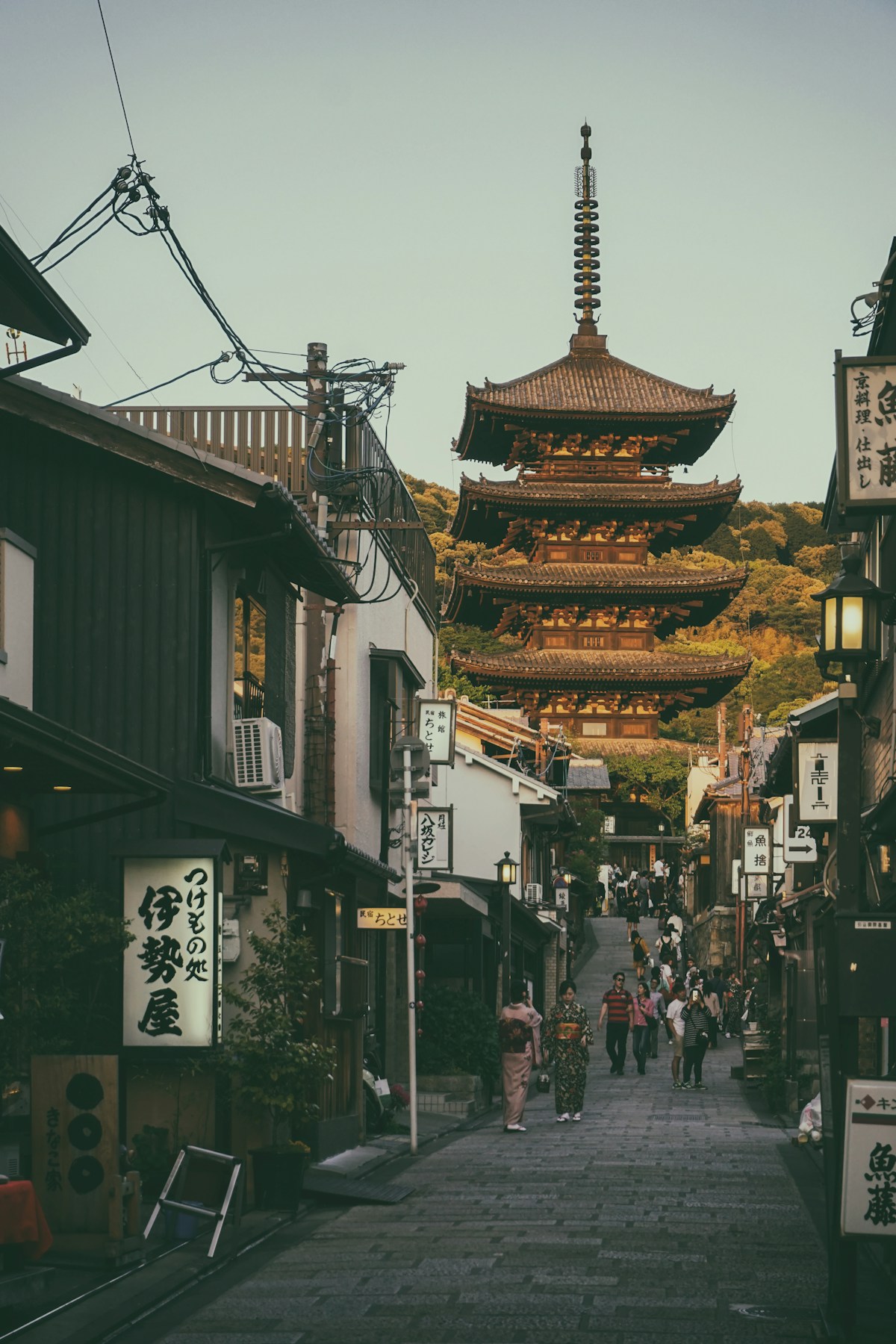
I booked a small machiya guesthouse in southern Higashiyama, a ten-minute walk from Kiyomizu-dera. A machiya is a traditional wooden townhouse, narrow and deep, with tatami floors and sliding paper doors. The whole place was about the width of a generous hallway and felt like sleeping inside a piece of joinery.
A few practical notes for picking a base in Kyoto:
If you are doing solo female travel in Kyoto and you want to walk to most things, look at Higashiyama, Gion, or the area around Sanjo and Pontocho. These neighborhoods are central, lit at night, full of small restaurants that take solo diners, and within easy reach of the bus and subway.
Avoid booking near Kyoto Station unless you are arriving very late and leaving very early. The station area is fine but it is a 20-minute bus ride from the parts of Kyoto you actually want to wake up inside.
Guesthouses and ryokan are often more solo-friendly than big hotels. The hosts tend to give you maps, recommendations, and a soft kind of attention that makes traveling alone feel like a choice instead of a logistic.
The Daily Rhythm I Settled Into
By day three I had a shape to my days that I did not plan. It just happened, which is the thing slow travel does to you when you let it.
I woke up at 6 a.m. without an alarm because the light came through the paper screens. I would walk to Kiyomizu-dera before the gates opened, when the slopes of Sannenzaka and Ninenzaka are completely empty. Just me, a few shopkeepers sweeping, and the smell of cedar from the temple grounds. By 8:30 the tour buses started arriving and I was already back on a side street, looking for breakfast.
Breakfast was usually a small set at a kissaten, the old-style Japanese cafes that serve thick toast, soft eggs, and coffee in a heavy ceramic cup. I would write in my notebook for an hour. Mid-morning was for one temple or garden, slowly. Ginkaku-ji on Tuesday. Tofuku-ji on Wednesday. I went to one. I sat in the moss. I did not rush to the next.
The afternoon was a long, aimless walk through a neighborhood. The evening was dinner, often at a counter, and a bath. That was the whole day. Five hours of activity, eight hours of presence.
Slow travel is not doing less. It is letting each thing take as long as it actually needs.
Eating Alone in Kyoto: It Is Easier Than You Think
I want to be clear about this because it stops a lot of women from traveling alone. Eating by yourself in Kyoto is not awkward. It is one of the easiest things about being there.
A few of the meals that made the trip:
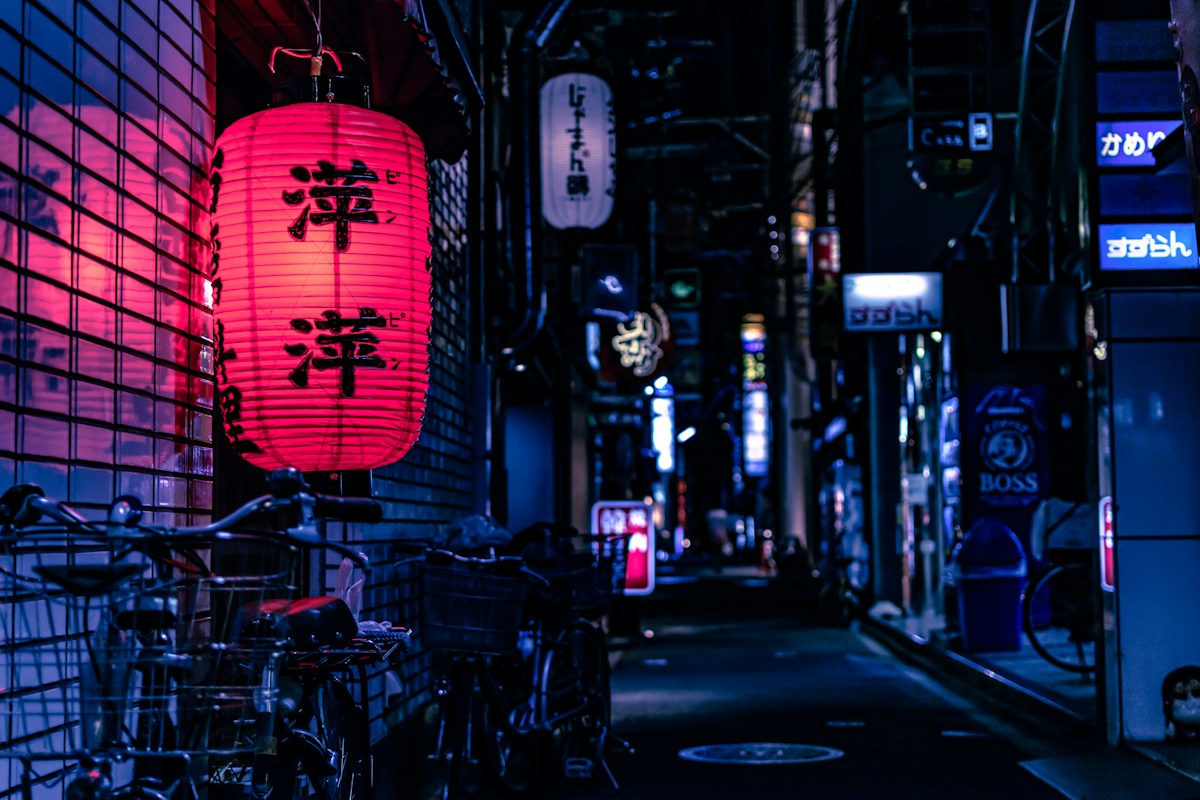
A counter ramen shop in Pontocho where the chef pulled noodles directly into my bowl and asked, in soft English, if I wanted extra scallion. The whole meal was 950 yen and took 12 minutes. I sat between two salarymen and we all ate without talking, which somehow felt like company.
A small kaiseki lunch in Higashiyama where the okami brought out eight tiny courses on lacquerware. Sashimi, a clear soup with a single piece of yuzu peel floating in it, simmered seasonal vegetables, grilled fish, rice and pickles. I was the only person in the room for the first half hour. It was the most attention any meal has ever paid to me.
Matcha and warabi mochi at a tea cafe near Nanzen-ji, sitting on a tatami platform looking out at a tiny moss garden. I stayed for two hours. Nobody asked me to leave. That kind of time is its own currency in Kyoto.
If you are nervous about ordering, look for restaurants with plastic food displays in the window or English menus inside. Pointing is fine. So is the phrase osusume wa nan desu ka, which means "what do you recommend." Most chefs will light up when you ask that.
The Quiet Magic of Solo Temple Visits
There are something like 1,600 temples and 400 shrines in Kyoto. You do not need to see most of them. I picked five for the whole trip and gave each one a real morning or a real evening.
Fushimi Inari at dusk, when the tour groups have left and the orange gates climb up the mountain in a kind of glowing tunnel. You will see almost no one above the halfway mark. The fox statues look at you slightly differently in that light.
Kinkaku-ji on a cloudy morning, because the golden pavilion is even more striking when it is not competing with sunshine. The reflection on the pond becomes the whole story.
Ryoan-ji, the Zen rock garden, sitting on the wooden veranda for as long as you can stand it before someone shifts and reminds you that you are not alone. I did 40 minutes the first time. I came back the next morning and did an hour.
The point is not the photo. The point is the sitting.
A temple is a place that rewards staying longer than you wanted to.
Safety, Logistics, and Practical Tips for Solo Female Travel in Kyoto
A few things I figured out so you do not have to.
Get an IC card the moment you land. ICOCA is the local one but Suica or Pasmo work too. You tap it on every bus and subway and the fares come out of a prepaid balance. No fishing for coins.
Kyoto is best walked, then bused, then subwayed, in that order. The bus system is excellent but unintuitive. The subway is small but very fast for moving across the city. Taxis are clean, metered, and reasonable, and drivers will help you if you show them a map.
Wear shoes you can slip on and off easily. You will take them off at temples, at the guesthouse, sometimes at restaurants. Lace-up boots are a small daily hassle.
Cash is still king in some small shops and tea houses. Carry at least 10,000 yen on you.
For solo female travel in Kyoto specifically, I felt safe everywhere I went. Gion at night was busy and friendly. Pontocho was full of solo diners. The only thing I would caution is the photography rules around the geiko and maiko in Gion, which are now strictly enforced. Do not chase them for photos. It is the one thing that has shifted the city's mood toward visitors and the locals are right to be tired of it.
What I Would Do Differently
If I went back, I would stay seven days instead of five. The fifth day was the one where I started to feel the rhythm in my body and I did not want to leave. I would also build in a half-day trip to Nara to see the deer, and a full day in Arashiyama on a weekday so the bamboo grove is calmer.
I would not move guesthouses mid-trip. I did, and I regretted it. Pick one base and stay. The point is the rhythm.
If you want more on solo travel and slow rhythms abroad, I wrote about three days alone in Lisbon and how to build a slow morning routine that sticks when you come home.
FAQ: Solo Female Travel in Kyoto
Is Kyoto safe for solo female travelers?
Yes. Kyoto is widely considered one of the safest cities in the world for women traveling alone. Street crime is rare, public transit is reliable into late evening, and most neighborhoods are well lit and busy until at least 10 p.m. Use standard precautions you would anywhere, but you can comfortably walk back to your accommodation at night in central neighborhoods.
How many days do you need in Kyoto?
For a first visit, five to seven days is the right amount. Five days lets you see the major neighborhoods at a slow pace and eat well. Seven days lets you add a day in Nara and a full day in Arashiyama without rushing.
Where should a solo female traveler stay in Kyoto?
Higashiyama, Gion, and the area around Sanjo or Pontocho are the most walkable, solo-friendly neighborhoods. Look for a small guesthouse or machiya rather than a big chain hotel. You will get better recommendations and a softer landing.
Is it awkward to eat alone in Kyoto?
Not at all. Kyoto has a strong culture of counter dining and small set lunches that work beautifully for solo travelers. Ramen, soba, tempura, kaiseki, and matcha cafes all welcome people eating by themselves.
What is the best time of year to do solo travel in Kyoto?
Late October to early December for autumn leaves and crisp mornings. Late March to early April for cherry blossoms but expect more crowds. Avoid August unless you love humidity. Spring and autumn are the easiest months for walking the city for hours at a time.
A Last Thought
If you have been telling yourself you will travel solo "once you feel braver," I want to suggest Kyoto as the place where the bravery becomes unnecessary. The city does not ask anything of you. It does not test you. It hands you a tea cup, a quiet path, a counter seat at a noodle shop, and waits for you to slow down enough to notice.
That noticing is the trip.
If you want more on slow travel, eating well alone, or building a daily rhythm when you are far from home, follow along here. I write about all of it, plus skincare and the weird overlap between code and travel, every week.
Where would you go first if you had five days to yourself? Tell me in the comments.