Solo female travel in Lisbon, Portugal turned out to be one of the gentlest trips I have ever taken, and I want to share what three days alone in this city actually felt like. This guide covers what to expect when you travel to Lisbon as a woman on your own, including which neighborhoods felt safe and welcoming, how to navigate the trams and tiled streets, the small rituals that helped me feel grounded, and the food worth slowing down for. The short version is that Lisbon does not push, it invites, and that distinction changed how I move through new cities now. If you are thinking about your first solo trip in Europe, or you just need to remember why you started traveling in the first place, this is what Lisbon taught me.
. . .
Key Takeaways
- Lisbon is one of the easiest European capitals for first time solo female travelers, especially around Alfama, Príncipe Real, and Chiado.
- Eating alone is genuinely normal here, and most cafés will give you the corner table by the window without making it a thing.
- Tram 28 is iconic but pickpocketed, so save it for a quiet morning and keep your bag in front.
- Lisbon rewards slowness, so plan one or two anchors per day and let the rest unfold.
- Pastéis de nata at Manteigaria, a quiet hour at Miradouro de Santa Catarina, and one fado night in Alfama are worth building a trip around.
. . .
Why Lisbon Surprised Me as a Solo Female Traveler
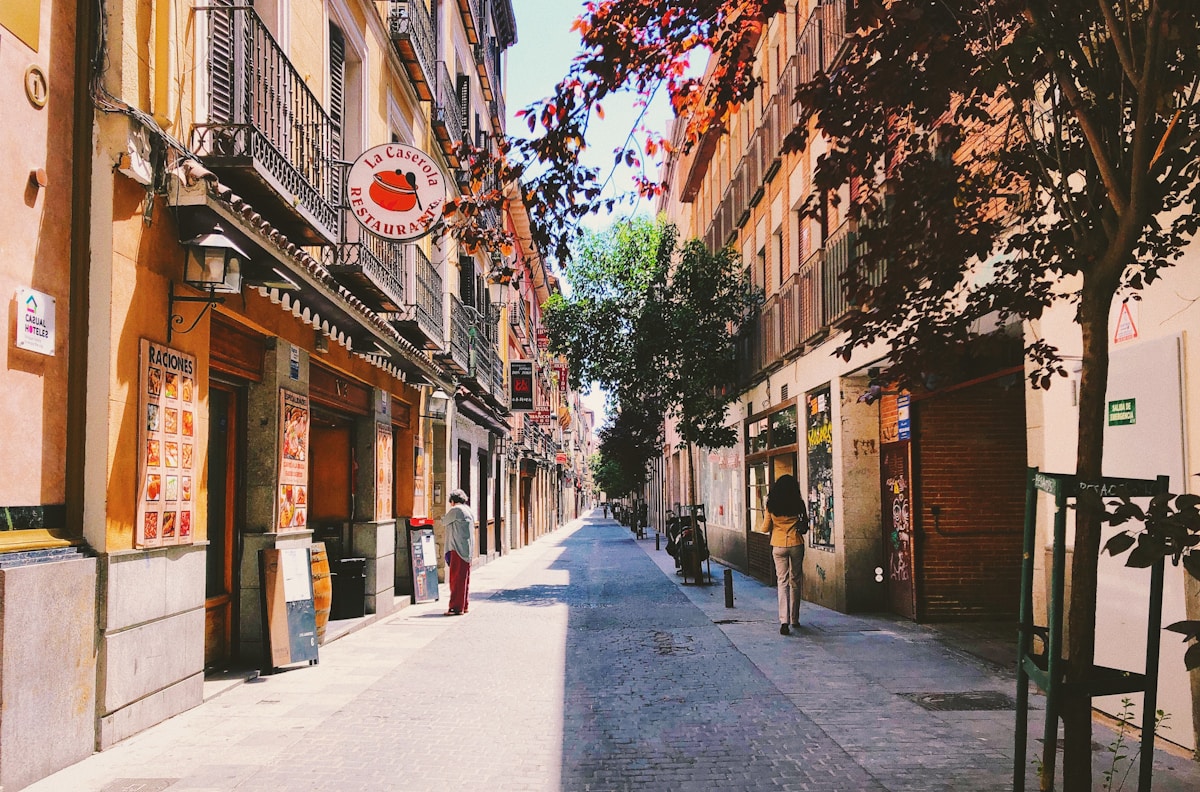
I booked the trip the way I book most of my solo trips, which is to say slightly impulsively and after a long week of feeling overstimulated. I had been working on a frontend rewrite that lived in my head all weekend, and I wanted somewhere I could put my phone in my pocket and forget I had a Slack account. I picked Lisbon because friends kept mentioning it the way people mention an aunt they love, with that softness in their voice.
The first surprise was how unhurried everything felt. I landed at Humberto Delgado Airport on a warm Thursday afternoon, took the metro to Baixa Chiado, dragged my carry on across the cobbles of Rua Garrett, and within forty minutes of stepping off the plane I was sitting on a bench at Largo do Carmo eating a peach. No one was rushing. No one was checking on me. Two older men were playing chess under a jacaranda tree. A woman next to me was reading a paperback in Portuguese and humming.
This is the part of solo travel I keep coming back for, the way a city sometimes hands you permission to exhale.
I had read a lot about safety before I left, the way I always do, and the honest answer for Lisbon is that it felt safer than most cities I have walked alone in. The usual advice still applies, which is to stay aware on Tram 28, keep an eye on your phone in crowded miradouros, and avoid the deserted parts of Cais do Sodré after midnight. But the daytime energy in central Lisbon is gentle. People nodded at me. Nobody followed me. I got lost a lot and every wrong turn ended at a viewpoint or a tile I wanted to photograph. If you are nervous about your first solo trip, Lisbon is a city that will meet you where you are. For more on this, you might enjoy my piece on solo female travel to Japan as a first timer, where I talk about the same nervousness in a different city.
. . .
Day One, the Tram and the Quiet Lessons of Eating Alone
I had promised myself I would not over plan. So Day One had exactly two anchors. Coffee at A Brasileira, then dinner somewhere in Alfama. Everything else was negotiable.
A Brasileira in Chiado is the one with the bronze statue of Fernando Pessoa out front, and the inside is older than most of my opinions. I ordered a bica, which is what locals call espresso here, and a pastel de nata that came warm and dusted with cinnamon. The waiter did not ask if I was waiting for someone. He just slid the saucer over and went back to wiping glasses. Something about that small refusal to perform concern at me felt healing.
I took Tram 28 next, the famous yellow one, and I want to be honest about it. It is beautiful and it is also packed and the pickpockets are real. I rode it once, kept my bag in front, sat near a window, and got off at Graça to walk back down through Alfama on foot. That is what I would tell any first time solo female traveler in Lisbon. Ride it once for the photo, then walk.
Dinner alone is the part that scares people. I get it. I used to bring a book like a shield. But Lisbon, more than anywhere else I have traveled alone, made eating alone feel ordinary. I ended up at Taberna da Rua das Flores in Bairro Alto, which does not take reservations, and I waited twenty minutes outside chatting with a Spanish couple in line. The chef sent over a small dish of marinated carrots with cumin, the kind of free thing that stops feeling free and starts feeling like a welcome.
I ate slowly. I noticed I was not waiting for anyone. I was just eating.
. . .
Day Two, Walking Alfama Without a Map

I want to talk about Alfama because Alfama is the part of Lisbon that taught me something I am still working out.
It is the oldest neighborhood in the city, the part that survived the 1755 earthquake, and the streets do not follow a grid. They follow the hill. They follow the laundry lines. They follow whoever happened to put a door in 1612. I had read three different blog posts that told me to put away Google Maps for an hour and just wander, and I rolled my eyes at all three of them, and then I did it anyway, and they were right.
The thing that happens when you walk Alfama without a map is that you start noticing other things. The blue and white azulejo tiles change pattern from house to house. The cats sleep in unbothered piles on the stone steps. A grandmother in a black dress watered her geraniums and nodded at me as I passed. I got lost three times. I found the same bakery twice. I sat on a step at Largo das Portas do Sol and looked at the Tagus river spread out below me like a blue tablecloth and I did not check my phone for forty five minutes.
I want to be precise about something here, because I think it matters. Solo travel is not about being alone in some heroic sense. It is about being given the space to notice your own thoughts without anyone else's preferences in the room. Alfama gave me that. I left thinking about a friend I had been avoiding texting back, and somewhere between two terracotta rooftops I realized I just wanted to text her, and so I did. If this kind of slow walking sounds like your kind of travel, I wrote about a similar pace in my guide to solo female travel in small towns.
. . .
Day Three, Pastéis de Nata and the Sound of Fado
Day Three was for the food and the music. I have a personal rule when I travel that I have to eat one thing somewhere people are passionate about it, and in Lisbon that thing is the pastel de nata. I went to Manteigaria in Chiado at 9am, before the queue spiraled. The custard was still warm. The pastry shattered in that specific way that only fresh nata pastry does. I bought a second one for the walk and ate it standing up on Praça Luís de Camões like a person with no shame, which I now believe is the correct way.
In the afternoon I walked to LX Factory in Alcântara, the old industrial complex that has been turned into a creative space full of independent bookshops and design studios and one bakery that is famous for cinnamon rolls. I bought a notebook at Ler Devagar, which translates to Read Slowly, which felt pointed.
That night I went to a small fado house in Alfama called A Baiuca. Fado is the traditional Portuguese music of longing, of saudade, the word people say has no English equivalent. The room was tiny. The lights went down. A woman sang for forty minutes in a language I do not speak and I cried twice and ate a bowl of caldo verde and felt very, very alone in the best way. If you want to read more about fado, the Wikipedia entry on fado is a good primer before your trip.
Some things do not need to be understood. They need to be received.
. . .
What Solo Travel in Lisbon Taught Me About Slowness
I came back from Lisbon with a notebook full of small observations and a slightly different relationship with my own attention. Here is what I want to say to anyone considering a solo trip there.
Lisbon teaches slowness on purpose. The trams take their time. The waiters do not rush you. The hills are too steep to power walk up. The city has trained itself, over centuries of tile and tea and exile and homecoming, to receive you at whatever pace you arrive at. As a woman traveling alone, that pace was the gift. I stopped performing aliveness. I just was alive, walking up a hill, eating a custard tart, listening to a stranger sing in a language I do not speak.
If you are planning your first solo trip and Europe feels intimidating, Lisbon is the soft landing. It is well connected, the people are warm, the food is generous, and the city itself seems to understand that some of us come to travel to be a little less of a person and a little more of an observer for a few days. You can also browse the official Visit Portugal site for current logistics and seasonal events.
. . .
Practical Tips for Solo Female Travelers in Lisbon
A few small practicalities I wish someone had told me before I went.
Bring shoes you can walk hills in. The cobblestones are pretty and they are also slippery in the rain. Trainers or sturdy flats with grippy soles will save you. Skip the heels for the entire trip. Lisbon was not built for them.
Use the metro for crossing the city and walk for everything else. The metro is cheap, clean, and easy. A Viva Viagem reloadable card costs half a euro and works on metro, buses, and the Santa Justa lift. For getting around inside neighborhoods, just walk. You will see more.
Stay in Príncipe Real or Chiado if you can. They are central, walkable, and well lit at night. Alfama is dreamy but the steep streets and confusing turns can feel disorienting if you are not staying long enough to learn them.
Eat dinner late. Most Portuguese people eat at 8 or 9pm, not 6pm. Restaurants are sleepy until then. If you go later you will be eating with locals, which is more fun.
Carry a small crossbody bag with a zipper. Pickpockets target tourists who keep their phones in back pockets or open totes. A small bag worn in front is the easy answer.
. . .
FAQ
Is Lisbon safe for solo female travelers?
Yes, Lisbon is one of the safer European capitals for women traveling alone, especially in central neighborhoods like Alfama, Chiado, Príncipe Real, and Baixa. Stay aware on Tram 28 and around busy miradouros where pickpocketing is the main concern, and avoid empty stretches of Cais do Sodré late at night. Daytime walking felt comfortable for me throughout the trip.
How many days do I need in Lisbon for a solo trip?
Three to four days is the sweet spot. It gives you enough time to do Alfama slowly, take a half day to LX Factory or Belém, eat at least one long dinner, and have one fado night without rushing.
What should a woman wear in Lisbon?
Comfortable shoes are non negotiable because the cobblestones are no joke. Beyond that, casual European basics work well. Lisbon is a relaxed city, and you will see everything from sundresses to jeans and blazers depending on the neighborhood.
Can you eat alone in Lisbon without it feeling weird?
Yes, eating alone here is normal. Cafés, tascas, and even nicer dinner spots are used to solo diners, especially at the bar. Bring a book if you want, or just enjoy the food.
What is the best time of year to visit Lisbon as a solo female traveler?
Late spring (April to June) and early autumn (September to October) are the most pleasant. The weather is warm without being heavy, the crowds are lighter than peak summer, and the light is beautiful for walking and photographing.
What is one thing I should not skip?
A fado night in Alfama. Not a touristy show, just a small fado house where the room goes quiet when the singer starts. Even if you do not speak Portuguese, the feeling crosses the language.
. . .
Final Thoughts
If you have been waiting for a sign to take that solo trip, this is it. Lisbon will not push you. It will just open the door and let you walk in at your own pace. Pack lightly, walk slowly, eat the second pastel de nata, and let yourself sit on a step somewhere quiet for longer than you think is reasonable. That is the trip.
If this resonated, follow this blog for more solo travel stories, and let me know in the comments where your first solo trip took you. I read every reply.