This guide is about slow cooking for one and how to use this gentle technique to make real, comforting meals on a solo schedule, even when you are busy, tired, or just learning your way around a kitchen. You will learn the simplest building blocks of cooking solo meals, the pantry staples worth keeping on hand, and three forgiving recipes that scale beautifully for one person. We will also cover storage, smart batching, and how to enjoy your food without falling into the trap of leftovers fatigue. Whether you live alone, are renting a kitchen on a slow trip, or just cook for yourself most nights, slow cooking for one can be a quietly powerful habit that makes you feel taken care of by your own two hands.
. . .
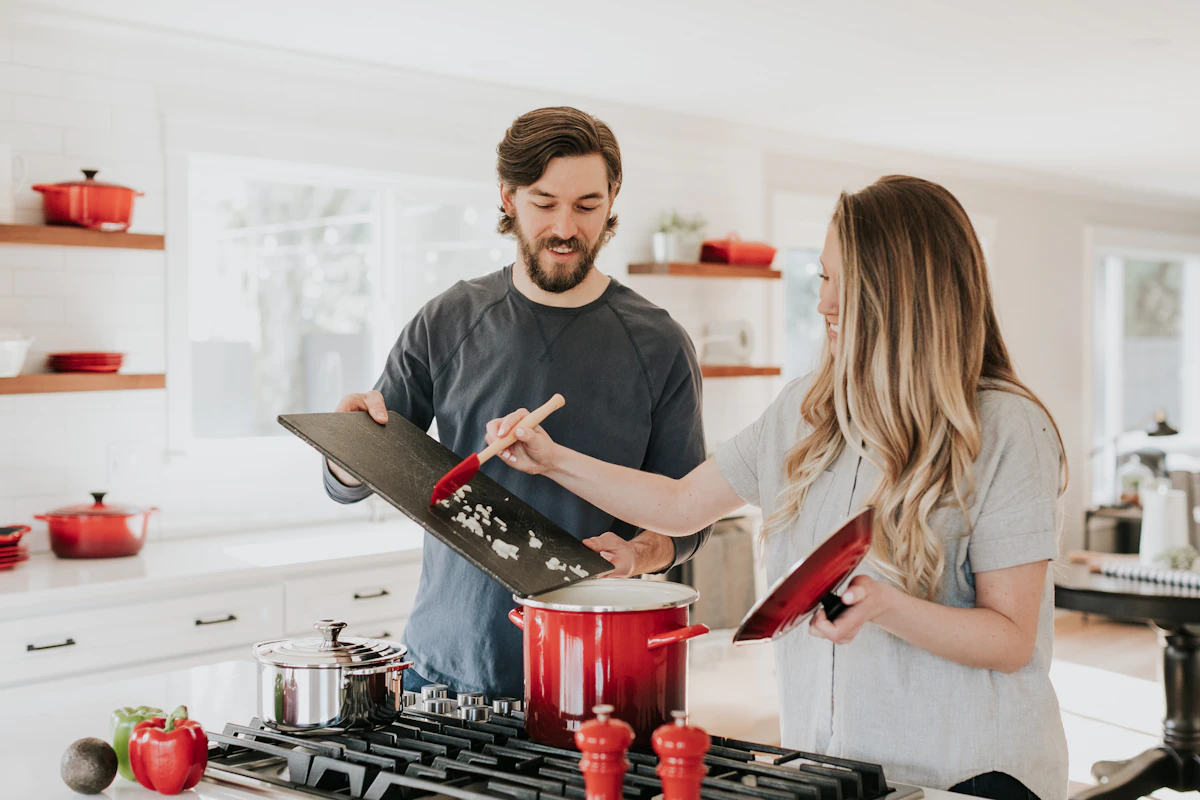
Photo by Brooke Lark on Unsplash
Why Slow Cooking for One Is Worth Trying
Most cooking content online is written for families, dinner parties, or 4 to 6 person batches. When you live alone or eat solo most nights, that math gets exhausting fast. Slow cooking for one flips the rhythm. Instead of fighting your schedule, the pot quietly does the work while you live your day.
The technique is forgiving in a way that other styles are not. A slow cooker, a small Dutch oven, or even a heavy pot on the lowest gas setting on your stove can simmer a stew for two hours and still come out tender. You do not need to babysit it. You do not need to time anything to the minute. You just need a few minutes of prep at the start.
Cooking for one is not lesser cooking. It is just quieter.
For solo cooks, slow cooking also solves a real problem: it builds flavor without asking for active attention. A 3 hour braise on a Sunday afternoon can give you four nourishing meals across the week, with almost no cleanup beyond one pot.
The Pantry I Keep When I'm Cooking Solo Meals
A small, intentional pantry is the secret to slow cooking for one feeling easy instead of ambitious. Here is what I keep on hand at all times.
Aromatics: One yellow onion, one head of garlic, a small piece of fresh ginger, and a lemon. These four buy you 90 percent of flavor in any cuisine.
Pulses and grains: A bag of brown lentils, a bag of dried chickpeas, a small jar of pearled barley, and a kilo of basmati rice. Pulses scale beautifully for one and freeze well after cooking.
Tinned goods: Two tins of crushed San Marzano tomatoes, one tin of coconut milk, and a tin of butter beans. These three give you the base for stews from Italy to Sri Lanka.
Fats and acids: A bottle of olive oil, a small bottle of toasted sesame oil, apple cider vinegar, and a squeeze tube of tomato paste. The acid is what makes long cooked food taste alive instead of muddy.
Spices: Cumin seeds, smoked paprika, dried oregano, bay leaves, and flaky sea salt. Buy small jars and replace them every six months so they actually taste like something.
If you are also exploring this slowly, my skincare order guide uses the same principle: a few well chosen basics outperform a cabinet full of trendy items.
Three Forgiving Slow Cook Recipes for One
These three recipes are intentionally small. They serve one generously, with one extra portion you can eat the next day. No special equipment needed.
1. One pot lentil and tomato stew. Sweat half a chopped onion and two crushed garlic cloves in olive oil for five minutes. Add a teaspoon of cumin, a teaspoon of smoked paprika, and stir for thirty seconds until you can smell them. Pour in three quarters of a cup of brown lentils, half a tin of crushed tomatoes, two cups of water, a bay leaf, and salt. Bring to a low simmer, cover, and cook for 35 to 40 minutes. Finish with a squeeze of lemon and a glug of olive oil. This is the recipe I keep coming back to when I am tired but want to feel fed.
2. Coconut chickpea curry. Drain a tin of butter beans, sauté with a chopped half onion, two garlic cloves, a thumb of ginger, and a teaspoon of curry powder. Pour in three quarters of a tin of coconut milk and a quarter cup of water. Simmer uncovered for 25 minutes until the sauce coats a spoon. Eat with rice or just a piece of toasted bread.
3. Slow braised barley with mushrooms. Toast half a cup of pearled barley in a dry pot for two minutes. Add 8 sliced mushrooms, a chopped half onion, two cups of vegetable stock, a sprig of thyme, and salt. Cover and simmer on the lowest heat for 45 minutes. Finish with a knob of butter and grated parmesan. Earthy, warm, and almost embarrassingly easy.
Slow cooking is just gentle, patient heat.
Storage, Reheating, and Avoiding Leftovers Fatigue
Slow cooking for one only works if you eat what you make. The biggest mistake solo cooks make is treating leftovers as a punishment. The fix is to vary the form, not the food.
If you cook the lentil stew on Sunday, eat it as a stew on Sunday night. On Monday, spoon it over rice. On Tuesday, mash it slightly and stuff it into a wrap with feta and parsley. The base does not change. The plate does.
For storage, glass containers with tight lids are worth the small investment. They let you see what is in the fridge, which matters more than people admit. According to the FDA refrigerator storage guide, most cooked stews and curries are safe for three to four days in the fridge.
If you cooked too much, freeze single portions in flat zip top bags. Frozen flat, they thaw in 20 minutes in a bowl of warm water. This single trick changed how I felt about cooking solo more than any recipe ever did.
How to Make Slow Cooking for One a Habit
Habit is just a word for something you stopped negotiating with. The way to make slow cooking for one stick is to lower the bar until showing up is easy.
I cook one pot every Sunday afternoon while I tidy or read. That is the whole ritual. I do not plan the week. I do not stress over balance. I just make one good pot of something and let it carry me into Tuesday.
If you travel a lot or live in shared housing, slow cooking for one still works. I have made versions of these recipes in hostel kitchens on slow trips, with nothing more than a borrowed pot and a single wooden spoon.
The Quiet Magic of Cooking Just for Yourself
There is something about a small pot bubbling for you, alone, that resets the tone of an evening. It says you are worth a real meal. It says the day, however it went, gets to end with warmth.
Most of the women I admire who travel and live alone share this same instinct. They do not eat sad desk salads at home and call it self care. They make one good thing and sit with it.
According to Harvard Health, home cooking is consistently linked with better diet quality and mental wellbeing, even when meals are simple. The pot does more than feed you.
Key Takeaways
- Slow cooking for one is forgiving, low effort, and scales perfectly to one person with a single extra portion for tomorrow.
- A small intentional pantry of aromatics, pulses, tinned goods, and a few spices unlocks dozens of solo meals.
- Three beginner recipes that always work: lentil tomato stew, coconut chickpea curry, and braised barley with mushrooms.
- Vary the form not the food to avoid leftovers fatigue across the week.
- One pot, one Sunday afternoon, four real meals across the week.
FAQ
Do I need an actual slow cooker for slow cooking for one?
No. A small Dutch oven, a heavy stockpot, or even a sturdy saucepan on the lowest stove setting all work for slow cooking solo meals. The technique is about gentle, patient heat, not the appliance.
How long do slow cooked stews last in the fridge?
Three to four days in a sealed glass container. If you want to keep them longer, freeze single portions flat in zip top bags. Reheat gently with a splash of water.
What is the easiest first slow cook recipe for a solo beginner?
The one pot lentil and tomato stew above. It uses pantry staples, takes about ten minutes of active prep, and is almost impossible to overcook on low heat.
Can I do slow cooking for one in a tiny kitchen or hostel?
Yes. All three of the recipes here work on a single burner with one pot. I have cooked them in hostels with just a wooden spoon, a knife, and a chopping board.
How do I keep things interesting when cooking solo?
Change the form rather than the food. The same pot can be a stew, a wrap filling, a topping for rice, or a base for soup. New plate, same effort.
. . .
If this resonated, I would love to hear what your own one pot ritual looks like. Tell me in the comments, or wander over to my Marrakech tagine class story for another slow cooking adventure that taught me something about patience.