The first time I took a Lebanese cooking class in Beirut, I thought I would come home with one or two new recipes. What I came home with instead was a complete rethink of my spice drawer. The class was at Tawlet, a community kitchen in the Mar Mikhael neighbourhood, and the woman teaching us was a grandmother from the Bekaa Valley who used spices the way most of us use background music, soft, layered, and present in every dish without being loud. This article is a story about that class, but it is also a practical guide to the four Lebanese cooking spices that changed how I cook at home, why they matter, and how to actually use them without overcomplicating your weeknight dinner. If you are a home cook curious about Lebanese cooking spices for everyday meals, this is the friend version of the lesson, written from a tiny apartment kitchen, three years and many tabbouleh nights later.
. . .
Key Takeaways
- A real Lebanese cooking class is less about recipes and more about understanding how spices behave in layers and over heat.
- The four spices most worth keeping at home are sumac, za'atar, baharat, and Aleppo pepper, plus good olive oil and lemon as the supporting cast.
- Sumac is your secret lemon, za'atar is your green pantry, baharat is your warm hug, and Aleppo pepper is your gentle heat.
- You do not need a Middle Eastern grocery to start. A small online order of three to four spices will transform soups, eggs, roast vegetables, and rice for months.
- The biggest mindset shift for a home cook is to stop thinking of spices as last minute decoration and start thinking of them as the dish itself.
. . .
I went looking for a recipe and found a philosophy.
How a Cooking Class in Mar Mikhael Became a Spice Lesson
I had booked the class on a quiet Tuesday afternoon, three days into my Beirut trip, mostly because the cafés had run out of charm and I wanted to do something with my hands. Tawlet is the kind of place travel writers describe as a community kitchen, but in person it feels more like a family lunch table that happens to serve forty people. Different women from different parts of Lebanon take turns hosting, and the menu changes with whoever is in the kitchen.
That day it was Im Khaled, a soft spoken grandmother from the Bekaa Valley who had been cooking since she was seven. She did not start with knives. She did not start with vegetables. She started by lining up four small jars on the counter and saying, in slow careful English, "if you understand these, you understand my food."
She tapped each jar like she was naming her grandchildren. Sumac. Za'atar. Baharat. Aleppo pepper.
I was scribbling in my notebook before she even picked up an onion.
. . .
The first thing she taught me had nothing to do with technique. It was respect.
Sumac: The Spice I Now Use More Than Lemon
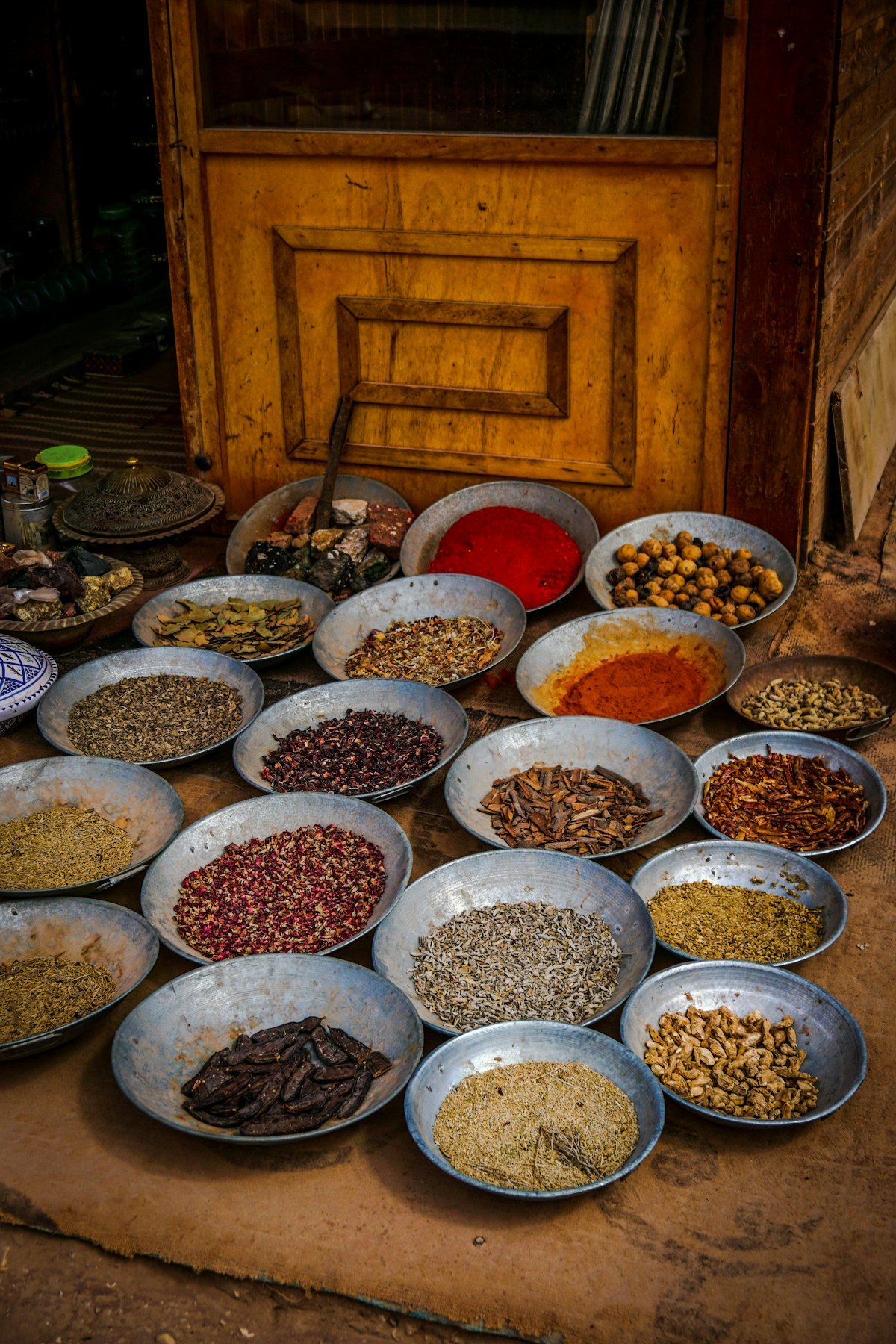
Sumac is a deep red, slightly coarse spice made from the dried berries of the sumac shrub. It tastes like lemon zest crossed with a soft blackberry, sour but rounded, never sharp. Im Khaled sprinkled it over a plate of cucumbers and tomatoes that morning and the salad changed colour, not just in flavour but in mood. The dish suddenly had edges.
She told me a quiet rule that has stayed with me. "If a dish feels flat, before you reach for salt, reach for sumac." For three years I have been doing exactly that. On scrambled eggs in the morning, over avocado toast, on roasted carrots, even rimmed on a glass of fizzy water with mint. It does the work of lemon without the wetness, and it stains the food a beautiful brick red that makes even a beige Tuesday salad look intentional.
If you are starting from zero, sumac is the spice I would buy first. It belongs in any home kitchen that already keeps black pepper and salt nearby.
. . .
Za'atar: A Whole Garden in a Spoon
Za'atar is technically a blend, not a single spice. The version Im Khaled used was wild thyme, sumac, sesame seeds, and a touch of salt, ground together until the leaves were fine but still recognisable. The smell is what gets you first, herby and toasted and slightly grassy, like opening a window after rain.
She showed us the simplest thing you can do with it. Stir za'atar with good olive oil into a loose paste, brush it on flatbread, and bake until the edges crisp. That is breakfast in half of Lebanon. That is also, now, breakfast in my apartment when I am tired and want to feel taken care of.
What surprised me later, back in my own kitchen, was how flexible za'atar is outside its traditional uses. I rub it on chicken thighs before roasting. I sprinkle it on soft labneh with olive oil and call it dinner. I shake it onto popcorn when I am being ridiculous. The blend gives you herbs, tang, nuttiness, and salt all in one motion, which is why it earns the name "the green pantry."
Pro tip: buy za'atar from a Lebanese, Syrian, Palestinian, or Jordanian source if you can. Supermarket versions are often heavy on dried herbs and light on real wild thyme, and the difference is the entire dish.
. . .
Some flavours travel better in a small jar than a recipe card.
Baharat: The Warm Hug You Did Not Know You Needed
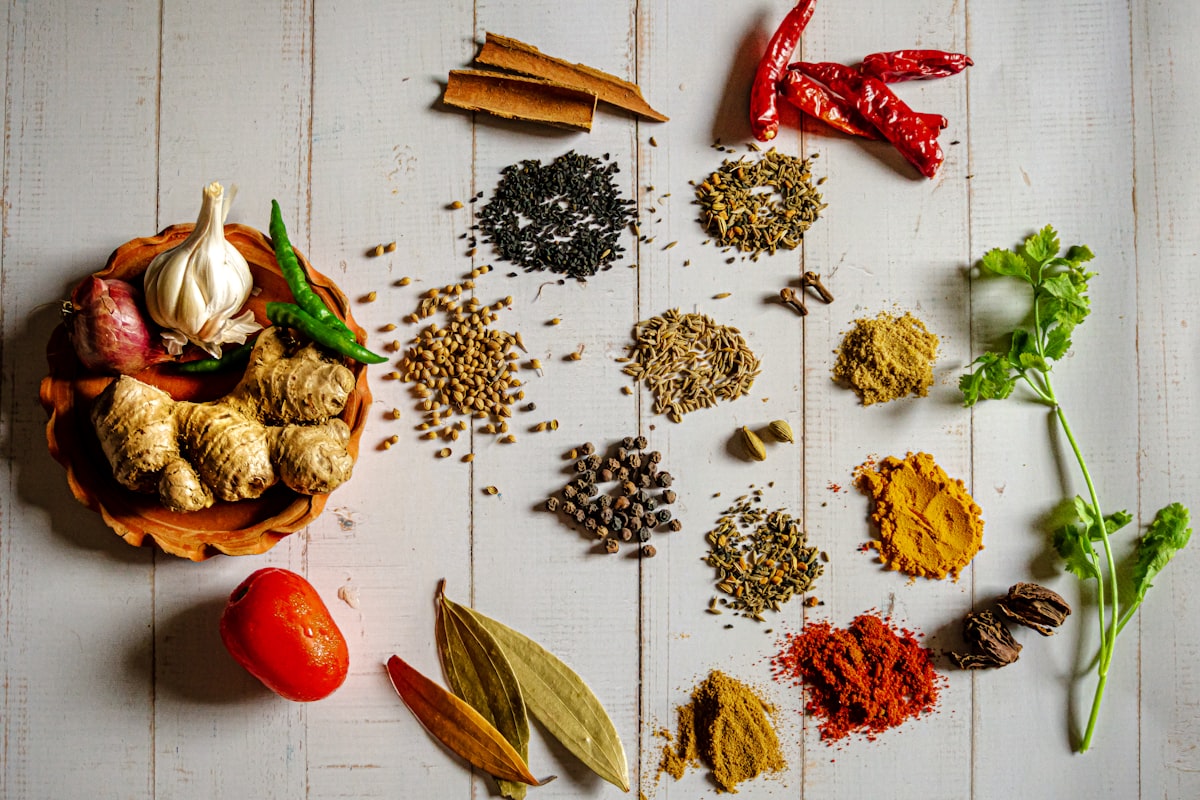
Baharat is the Arabic word for spices, plural, and the blend changes from family to family and country to country. Im Khaled's version was the Lebanese style, leaning warm and slightly sweet rather than fiery. Black pepper, allspice, cinnamon, nutmeg, cloves, cardamom, sometimes a whisper of dried rose. Toasted, ground, jarred, and ready.
She used it that day in the meat stuffing for kibbeh, but the version that converted me was simpler. She browned a chopped onion in olive oil, added a pinch of baharat, then dropped in cooked chickpeas and a little pasta water. Within ten minutes that pan smelled like a slow Sunday dinner from a family I did not have. I have made versions of that pan a hundred times since, sometimes with rice, sometimes with lentils, sometimes with leftover roasted squash.
If sumac is the bright finishing note, baharat is the warm bass line. It pulls a dish together and makes a weeknight feel like comfort food. For home cooks who feel intimidated by the idea of cooking Middle Eastern food, baharat is the friendliest place to start. You do not need to know every spice in it. You only need to trust the tablespoon.
. . .
Aleppo Pepper: The Gentle Heat That Changed How I Use Chilli
Aleppo pepper is a Syrian variety, deep red, coarsely flaked, with a heat that is more raisin than fireworks. Im Khaled said something that day I have repeated to friends a hundred times. "Heat is not the same as flavour. Aleppo gives you both."
I had spent years using crushed red pepper flakes the way you use volume on a microwave, blasting it onto pasta and pizza for a kick. Aleppo pepper taught me to use chilli the way good cooks use butter, finishing with it, choosing it, layering it. A pinch on a fried egg, a dusting on labneh, a sprinkle over hummus with olive oil pooled in the middle. Always at the end, always in small amounts.
If your spice drawer currently has only one chilli option, swapping crushed red for Aleppo pepper is the single highest leverage change you can make to your cooking this month. It is the one I recommend to friends more than any other.
. . .
The class ended with bread. It almost always does.
What Im Khaled Taught Me About Cooking, Not Just Spices
Halfway through the class, while we were rolling sfeeha, she said something I wrote down twice in my notebook. "A recipe is the bones. The spice is the breath. Without breath the body sits."
I think about that line often, especially on nights when I am tired and tempted to cook from a place of obligation. The Lebanese kitchen, at least in her hands, treated cooking as a way to take care of people without saying so. The spices were not for show. They were for keeping a person warm three days into a cold week, or for making a sad Tuesday taste like Friday.
When I came home from Beirut, I did three things. I bought sumac, za'atar, baharat, and Aleppo pepper from a small Lebanese grocer two flights from my apartment. I threw out three half empty jars of dried oregano I had been moving from kitchen to kitchen for years. And I started cooking a little slower, a little more on purpose.
My spice drawer looks completely different now. So does the way I think about a Tuesday dinner. If you liked this, you might also like my piece on travel cooking staples and the Marrakech tagine class that started this whole obsession.
. . .
A Beginner's Lebanese Spice Kit, From a Solo Traveller's Tiny Kitchen
If you want to start where I started, here is the kit I recommend in order:
- Sumac for finishing salads, eggs, and roasted vegetables.
- Za'atar for breakfasts, labneh, roasted chicken, and the times you want a slow morning at home.
- Baharat for warming up rice, lentils, soups, and chickpea pan dinners.
- Aleppo pepper as a smarter, kinder replacement for crushed red pepper flakes.
You do not need fancy storage. Small clean jars with tight lids work. Keep them out of direct sunlight, ideally not above the stove. Replace them once a year, ideally less, because the smell tells you when they have lost the plot. The Serious Eats guide to Middle Eastern spices is a solid second read if you want to deepen this.
. . .
FAQ: Lebanese Cooking Spices and What to Do With Them
What are the four most essential Lebanese spices for a home cook?
Sumac, za'atar, baharat, and Aleppo pepper. Sumac is your acid, za'atar is your herb blend, baharat is your warm spice mix, and Aleppo pepper is your gentle finishing heat. Together they cover almost any dish a beginner home cook would want to make.
Can I substitute lemon zest for sumac?
You can in a pinch, but the texture and the slight berry tone of sumac are not really the same. A teaspoon of sumac on a salad lands very differently from a teaspoon of zest. If you are buying only one spice from this list, choose sumac.
Where can I buy real za'atar that is not just dried oregano with sesame seeds?
Try a Lebanese, Syrian, Palestinian, or Jordanian grocery if there is one near you. Online, look for brands sourced from the Levant rather than mass produced supermarket blends. The first time you smell a real za'atar you will know.
Is baharat the same as garam masala?
No. They share a few notes like cinnamon and cloves, but baharat tends to be warmer and softer, and garam masala leans more toward cardamom and pepper. They are not interchangeable. Treat them like cousins, not twins.
How do I store these spices so they last?
In small airtight jars, away from direct sunlight, ideally not above the stove. Buy small, replace yearly, and do not be afraid to smell the jar before using. The smell will tell you everything you need to know about whether it still has life in it.
Are these spices spicy or hot?
Only Aleppo pepper carries any real heat, and it is on the gentler end of chilli. Sumac, za'atar, and baharat are warming and aromatic rather than spicy. They suit anyone who prefers depth over fire.
. . .
Final Thoughts From a Tiny Solo Kitchen
I keep a small framed photo of Tawlet's tiled wall in my kitchen, right next to my spice drawer. It reminds me that the food I now make on quiet weeknights is not really mine. It belongs to a woman from the Bekaa Valley who took the time to line up four jars and explain them to a stranger from another country. The least I can do is keep cooking with them.
If you are travelling soon, take the class. If you are not, order the spices anyway. Either way, let the smell of a small jar change a Tuesday for you.
If you enjoyed this, you might like my piece on cooking in hostel kitchens or the one about the Marrakech tagine class that started this whole obsession. I write about cooking adventures, solo travel, and the small lessons in between, every week. Follow along if you want a slower way of seeing the world from a girl with a passport and a spice drawer.
What would you do with a small jar of sumac this week? Drop your favourite weeknight idea in the comments, I read every one and steal the good ones for next Tuesday.