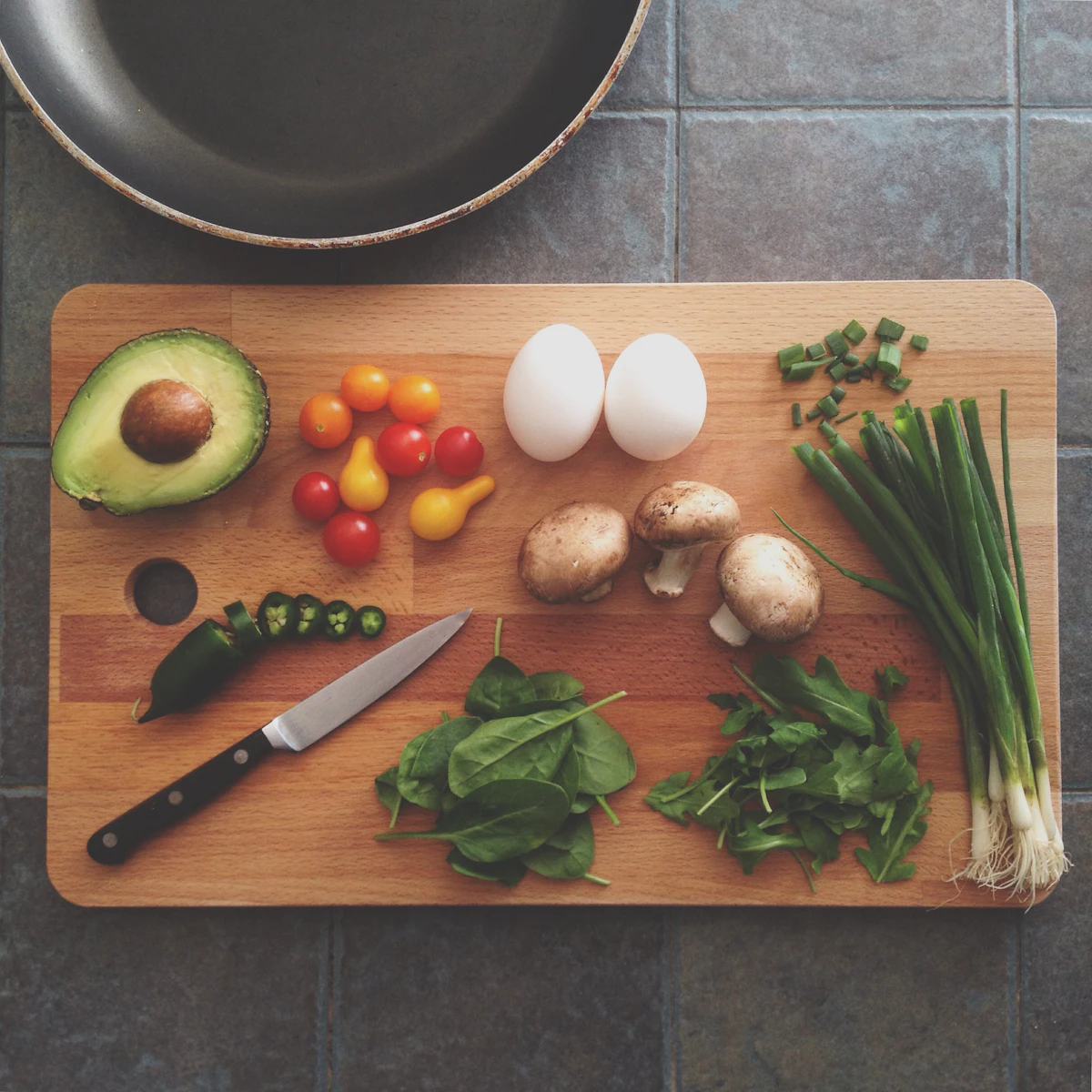
Walking into an Airbnb in a new country with an empty kitchen is one of my favourite small adventures, and over years of slow travel I have learned that the way I feel during the trip almost always comes down to what I buy on that first grocery run. Travel cooking staples are the small handful of ingredients I reach for in any country, in any season, that turn an unfamiliar stove into a place I can actually relax. This post walks through the five things I always buy first, why each one matters, and how to choose them without overspending or overpacking your fridge. You will leave with a simple shopping list you can use anywhere from Lisbon to Hanoi, plus a few honest mistakes to avoid. It is the routine I wish someone had handed me when I first started cooking abroad.
. . .
Why a Travel Cooking Routine Matters More Than People Think
I used to believe eating out for every meal was the whole point of travel. Then I spent three weeks in a small flat in Marrakech with a two burner stove, and the slow rhythm of cooking my own breakfast changed something in me. The kitchen became my anchor, and the city felt easier to explore from there.
Cooking when you travel is not about being frugal or impressive. It is about giving yourself somewhere familiar to land on a tiring day, somewhere that smells like dinner instead of suitcase. According to a 2023 Washington Post wellness piece, the act of cooking has measurable links to mood and a sense of agency, which are exactly the things that get fragile on long trips.
The kitchen is where I stop being a tourist for an hour.
That is why I take the first grocery run seriously. The right travel cooking staples cost almost nothing, fit in a small basket, and let me make ten different meals without thinking too hard.
. . .
Travel Cooking Staple One: A Small Bottle of Olive Oil and Good Salt
Olive oil and salt are non negotiable. I look for the smallest bottle of olive oil the shop sells, usually 250 to 500 ml, and a paper packet of flaky salt or coarse sea salt. In Italy and Spain you will find shockingly good oil for under five euros. In Southeast Asia I switch to a neutral oil like rice bran or sunflower and use sesame oil as a finishing drizzle.
Salt sounds boring until you taste a tomato in Naples sprinkled with fleur de sel and realise you have been seasoning food wrong for years. Different regions sell different salts, and trying the local one is one of my favourite tiny rituals. Maldon in the UK, sal de Ibiza in Spain, Maras pink salt in Peru, kosher in the US.
One small tip: never buy a giant bottle of oil at the start of a trip. You will leave most of it behind. Small bottles travel and cook better.
. . .
Travel Cooking Staple Two: The Aromatic Trio of Lemon, Garlic, and Onion
If I have a lemon, a head of garlic, and one onion, I can build a meal anywhere on earth. This is the aromatic trio that does the heavy lifting in almost every cuisine I love.
The lemon brightens anything, from a basic plate of pasta to a bowl of rice with leftover roast vegetables. Garlic is my universal flavour shortcut, and I always smash it with the side of a knife rather than chopping it fine, which is a trick I picked up from a Hoi An cooking class. Onions caramelised slowly in olive oil with a pinch of that good salt is the base of about half my Airbnb dinners.
Buy these loose if you can, not in plastic. You only need one or two of each, and they keep beautifully outside the fridge.
. . .
Travel Cooking Staple Three: One Carb You Already Trust
I always buy one carb I know how to cook with my eyes closed. For me that is usually pasta, jasmine rice, or a small bag of couscous. The point is comfort, not adventure. You will eat enough new things on the street and at restaurants. The kitchen is where you give yourself a soft landing.
A 500 g bag of pasta cooks ten meals, costs less than a single croissant in most cities, and tolerates almost any vegetable you toss into the pan. Couscous is my five minute miracle when I get back tired. Rice is the only carb that survives a long trip without going stale on me.
If you have access to a freezer, buy a small bag of frozen peas while you are at it. They are the laziest, greenest insurance you can keep.
. . .
Travel Cooking Staple Four: A Local Vegetable That Looks Happy
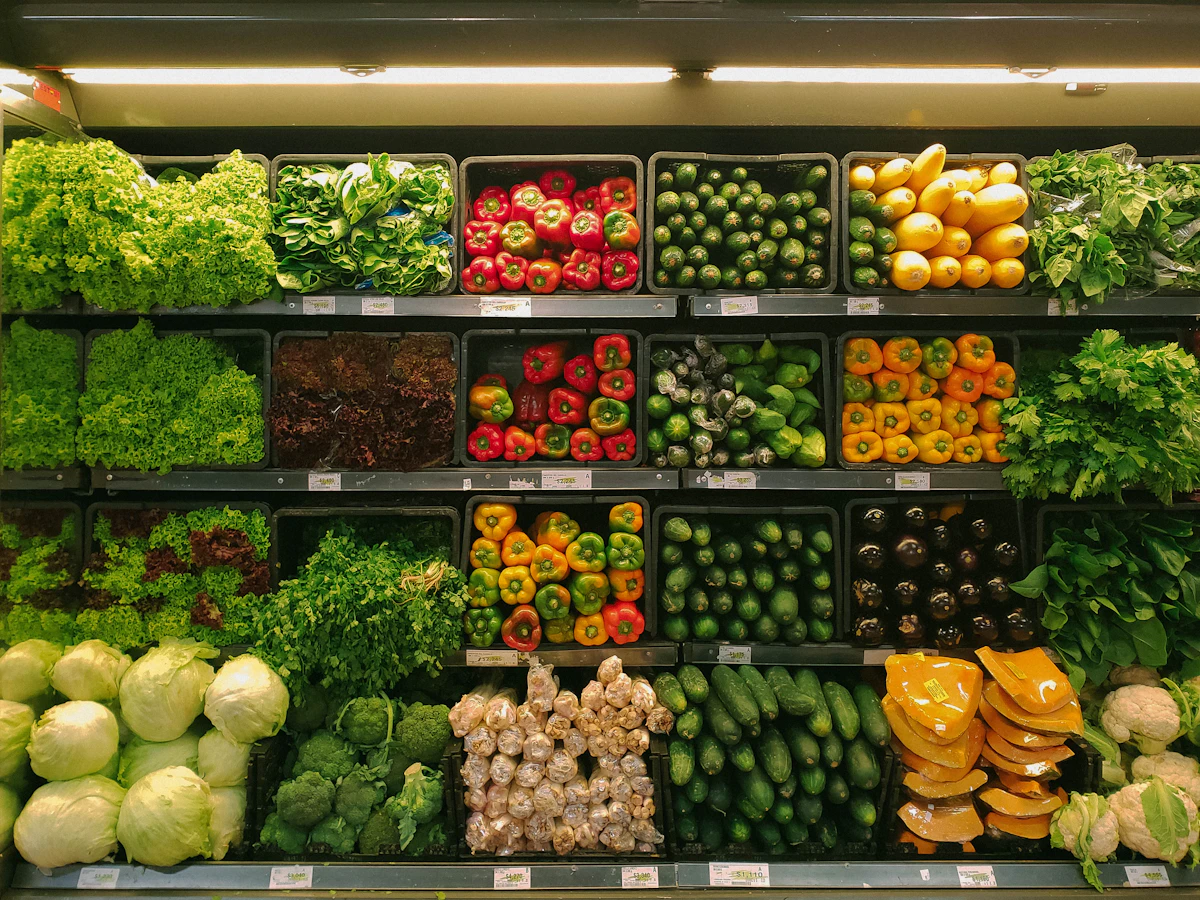
This is the rule I love most. I never plan the vegetable. I walk into the produce section and pick whatever looks fresh, in season, and slightly different from anything at home. In Bologna it was tiny purple artichokes for two euros a bunch. In Chiang Mai it was long beans I had never seen before. In Lisbon it was bunches of grelos, the bitter Portuguese greens that taste like the sea.
Buying local produce is the easiest way to actually feel like you live somewhere instead of visiting. It also keeps your cooking interesting without you having to study any recipes. My tagine lessons in Marrakech taught me that one beautiful local vegetable, slow cooked with the aromatic trio above, is already most of a meal.
I aim for one cooked vegetable and one raw, every shop. Cucumber and tomato. Zucchini and lettuce. Cabbage and a bunch of herbs. Two is enough.
. . .
Travel Cooking Staple Five: Something Sweet That Smells Like Where You Are
The last staple is small, almost silly, and the one I refuse to skip. I always buy one sweet thing that belongs to the country I am in. A bar of Tony's chocolate in Amsterdam. A small box of pasteis de nata in Lisbon. A bag of dried mango in Bangkok. A jar of honey from the market in Athens.
This is not about indulgence, it is about memory. Smell is the strongest hook for travel memories, and a piece of local sweet at the end of a quiet home cooked dinner does more for the trip than another expensive restaurant. Research from the BBC on smell and memory backs this up, but mostly I just trust the way one bite of something honey soaked can transport me back to a kitchen in Crete a year later.

. . .
How to Shop for Travel Cooking Staples Without Overdoing It
I learned this rule the hard way after leaving half a pantry behind in an Airbnb in Tbilisi. Now I shop in two passes. The first pass is for these five staples and nothing else. The second pass, two or three days in, is for whatever I am actually craving once I have settled. That second list is usually shorter than I expect.
I keep a tiny mental budget too. Around fifteen to twenty euros for the first run in most European cities, less in Southeast Asia, slightly more in Scandinavia. Anything more than that and I know I am buying out of anxiety, not appetite.
If you want a softer way into this, my post on cooking in hostel kitchens has the version of this list that works when you are sharing one shelf with eight strangers.
. . .
Key Takeaways
- Travel cooking staples are five small purchases that make any new kitchen feel like home: olive oil and salt, the aromatic trio of lemon, garlic, and onion, one carb you already trust, one happy local vegetable, and one local sweet.
- Buy small. Tiny bottles, small bags, two pieces of fruit at a time. You will eat better and waste less.
- Use the first grocery run for staples only, and a second smaller run a few days later for what you are actually craving.
- The point is not frugality. It is giving yourself a soft place to land in a country that does not yet know you.
. . .
FAQ About Travel Cooking Staples
What if my Airbnb has almost no equipment?
You can cook all five of these staples with a single pan, a small pot, a knife, a spoon, and a cutting board. If even those are missing, ask the host before your first run. Most hosts will lend you what is missing, and many neighbourhood shops sell a basic knife for under three euros.
How do I store travel cooking staples in a tiny fridge?
Olive oil, salt, onions, garlic, and most local sweets do not need refrigeration at all. Lemons, vegetables, and any leftovers go in the fridge in a small reusable container. I always pack one folded silicone bag in my suitcase for this exact reason.
Is it cheaper to cook your own meals when travelling?
In most countries, yes, but the savings are not the point. You can save thirty to fifty percent compared to eating out, but more importantly you give yourself rest, agency, and the slow joy of a quiet meal at home. That is not something a restaurant can sell you.
How do I find good local ingredients in a country where I do not speak the language?
Go to the busiest neighbourhood market in the morning. Watch what older locals buy, and buy small versions of the same things. Smile, point, and learn the words for hello and thank you. People will help you. They almost always do.
Can solo female travellers safely cook in shared accommodation?
Yes, with a few small habits. Cook in daylight or peak kitchen hours, keep your knife and pan within sight, and use the experience to chat to other travellers. Some of my best slow travel friendships started over the question, what are you making?
. . .
One Last Note Before Your Next Trip
Cooking abroad is not a productivity hack or a frugal travel tip. It is a quiet way to remind yourself that you are a whole person, not just a tourist with a list. The five travel cooking staples in this post are a starting point, not a rule. Once you have them, the rest of the kitchen will tell you what it needs.
If you try this list on your next trip, I would love to hear which country you used it in and which sweet you chose at the end. Drop a comment below, or read my post on slow cooking for one traveller for the next layer of recipes once you have your staples sorted.