For about a year, I was doing this thing where I'd open my laptop before I had even taken the first sip of coffee. I'd be answering Slack messages in my pajamas, scrolling Twitter while the kettle was still going, and somehow it would be noon and I hadn't actually been outside. So one morning I just decided to take my coffee onto the balcony, no phone, no laptop, just me and ten minutes of sky, and that small change ended up rewiring how I think about mornings. This is a piece about how to build a slow morning routine that actually sticks, why it matters more than you'd think for the rest of the day, and the specific things I do now that have stayed for almost a year. If you have been trying to feel less rushed before 9 AM and nothing has stuck, this one is for you.
Key Takeaways
- A slow morning routine doesn't have to be long, it just needs to be phone free for the first part.
- Doing one outdoor thing within 30 minutes of waking up helps your body figure out the day.
- Most morning advice fails because it tries to be productive. Real slowness has to feel a little wasted.
- Coffee outside, light reading, and one phone free walk per week are the three habits that actually changed me.
- The biggest variable is your phone. The second biggest is what room you start your morning in.
. . .
Why mornings used to feel like an emergency
I worked from home for two years before I noticed something. My mornings did not feel like mornings. They felt like a meeting I was already late for. I would wake up, reach for the phone on the nightstand, and within a minute I was reading three different opinions about something I did not need an opinion on. By the time I made it to the kitchen, my shoulders were already up by my ears.
The thing is, no one was actually waiting on me at 7:30 AM. My team was on a different timezone. The Slack channel had nothing urgent. The internet was not on fire. But my body did not know that. It thought every notification was a deadline.
I was treating my mornings like a triage room when nothing was actually bleeding.
I think a lot of people who work in tech, or any kind of always on job, fall into this exact pattern. We confuse access with obligation. The fact that you can check something does not mean you have to.
. . .
The first time I sat outside and it felt strange
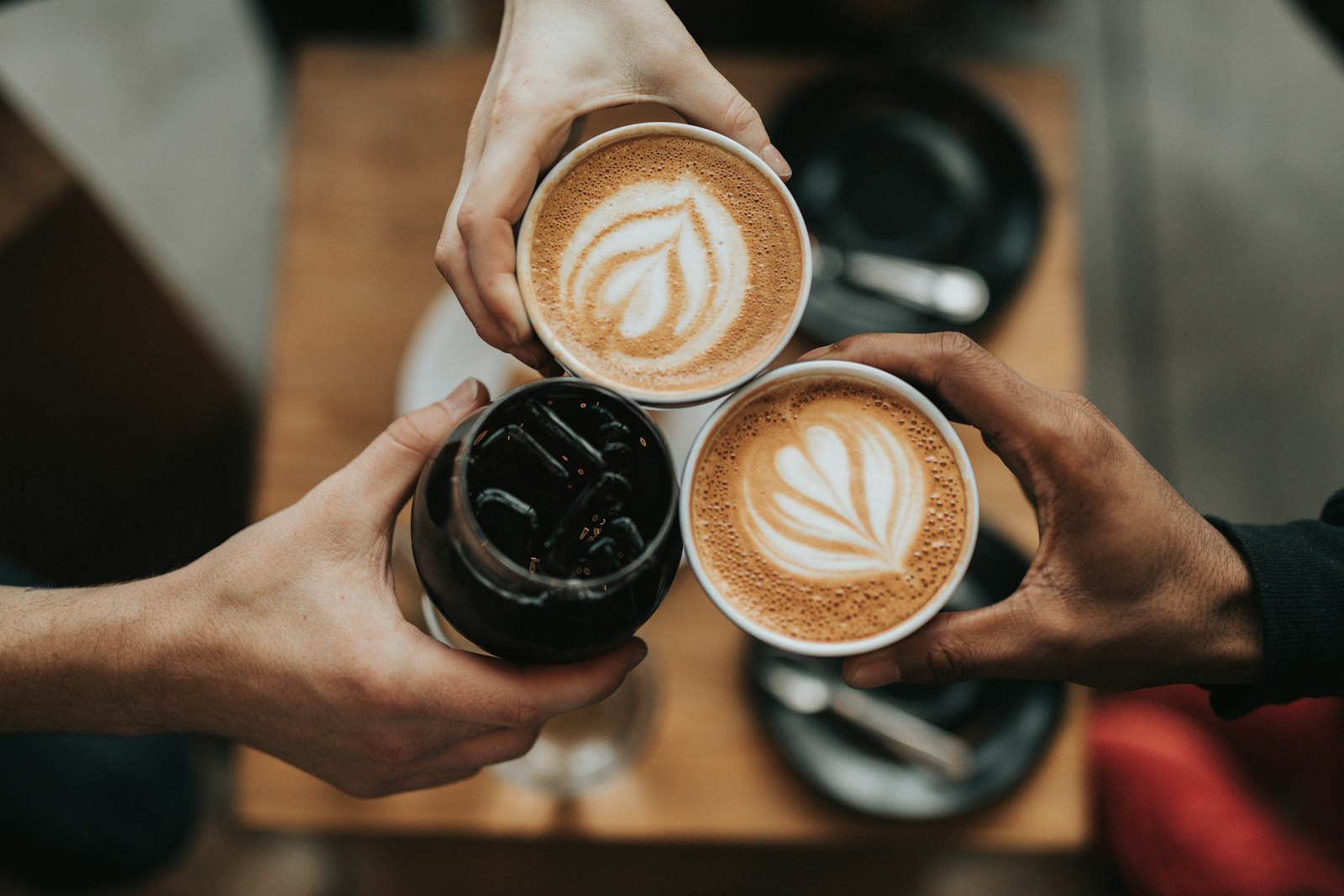
The first time I took my coffee to the balcony with no phone, I lasted about four minutes. It felt boring in a way I had forgotten was possible. I noticed I was looking around for something to do. My hand kept reaching for a phone that wasn't there. I started thinking about a deadline that wasn't until next week.
But I stayed. I drank the coffee slowly. I watched a pigeon do something dumb on the railing across the street. I noticed the light on the building opposite mine was actually pink, not orange like I had assumed. By minute eight I was almost annoyed at how nice it was.
When I came back inside, I realized something small but real. I had not picked up my phone for the first thirty minutes of the day. The day still happened. The world had not collapsed. Slack was fine. My inbox had two new things, both of them not urgent.
The first quiet morning is uncomfortable because you have forgotten what quiet feels like.
I did the same thing the next day. And the day after. By the end of the week, I was looking forward to it.
. . .
How to build a slow morning routine that actually sticks
Here is what I have learned about building a slow morning routine over the last twelve months. It is not what most morning routine articles will tell you.
First, do not try to wake up earlier. This was my biggest mistake in year one of trying to fix my mornings. I would set my alarm for 5:30 AM, last three days, then crash and sleep until 9 AM and feel worse than before. The slowness has to come from how you spend the first hour, not from finding extra hours.
Second, your phone has to leave the bedroom. Not on do not disturb. Not face down on the nightstand. Out of the room entirely. I charge mine in the kitchen. If you are using it as your alarm, buy a real alarm clock. They cost nine dollars on Amazon and they are the single best return on investment I have made for my mental health.
Third, decide on one thing you will do before you check anything. For me it is coffee outside. For my friend it is reading two pages of a paper book. For my brother it is making the bed and stretching for three minutes. The thing itself does not matter. What matters is that you give your brain something gentle to do before it starts processing inputs from other people. Research from the American Psychological Association on mindfulness backs this up, slow attention compounds.
The first hour of your day is the only hour no one else owns.
Fourth, accept that some days will be ugly. I still have mornings where I open my laptop within ten minutes of waking up because something blew up overnight. That is fine. The routine is not a rule, it is a default. You go back to it tomorrow.
. . .
The three habits that stayed (and why)
A lot of stuff did not stick. Cold plunges, journaling for thirty minutes, oil pulling, lemon water, the five minute meditation app I bought at 11 PM. Out of all the things I tried, three habits stayed. I think they stayed because they ask very little of me.
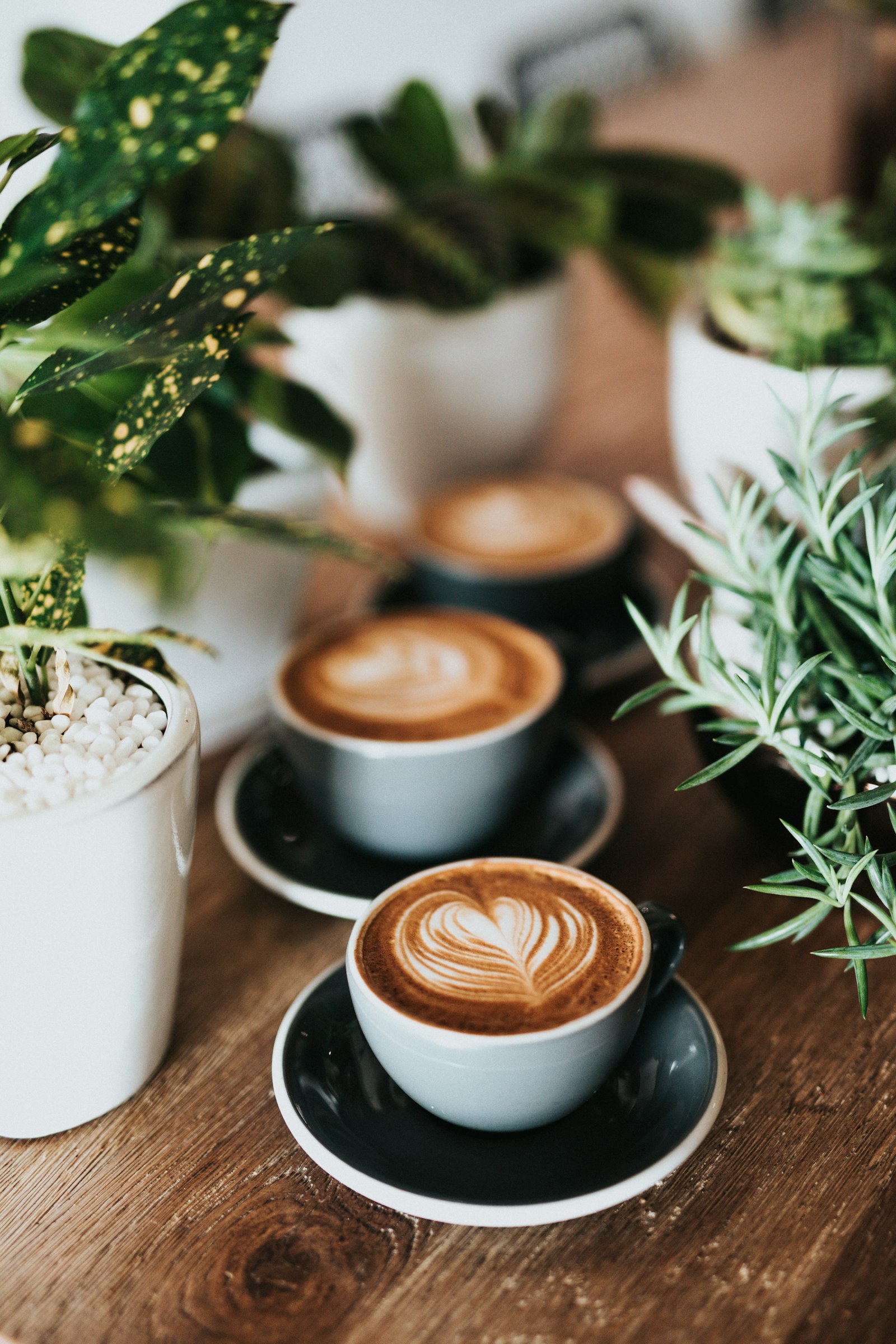
The first is coffee outside. Even if it is raining, even if it is cold, I take the first cup somewhere with sky. Sometimes that is the balcony. Sometimes that is the front step. In Lisbon last spring it was a tiny patio off the rental that smelled like jasmine in the morning. In a Tokyo Airbnb in January it was a window I cracked open for ten minutes. The location changes. The principle does not. If you've been curious about solo travel in Lisbon, that piece has more on the slow mornings I built there.
The second is reading something on paper for fifteen minutes. Not a self help book. Not a productivity manifesto. Usually a novel, sometimes poetry, occasionally a magazine that has been sitting on the table for a month. The point is to give my eyes a low resolution input before they meet the screens.
The third is one walk per week with no phone. Just one. Usually Saturday morning. I leave the phone in a drawer and go for forty five minutes. The first ten minutes are always weird. After that, my brain starts handing me ideas I had not noticed I was sitting on.
The habits that survive are the ones that don't ask you to be a different person.
. . .
What stopped working when I tried to optimize it
I will tell you the honest part. Around month four, I tried to make this routine more impressive. I added a thirty minute meditation. I started journaling three pages every morning. I bought a sunrise lamp. I stacked it all on top of the slow morning until the slow morning was no longer slow.
Within two weeks the whole thing collapsed. I started skipping the coffee outside because I was already running late from the journaling. I felt guilty when I missed the meditation. The thing that had been giving me oxygen was now another item on a checklist.
I think this is why most advice about slow living fails. The internet rewards the version that looks the most photogenic. So a slow morning becomes a wellness performance. Real slowness is unphotogenic. Sometimes it is just you in a hoodie staring at a tree for six minutes.
I cut the additions and went back to coffee, paper, and the weekly walk. Everything got better again.
Anything you can post on Instagram is probably not the slow part.
. . .
The unexpected thing slow mornings did to my work
Here is what I did not see coming. My work got better. Not because the morning routine made me sharper, but because it made me less defensive.
I work in software. I write code, I read pull requests, I sit in standup. Before the slow mornings, I would walk into a 10 AM meeting already running. My brain had been on for two hours by then. I would jump on every idea, agree with things I had not actually thought about, and end the meeting with my heart rate up.
After a few months of slow mornings, I noticed I was pausing more. I would let someone else's idea sit for a beat before responding. I would say things like, can I think about that for a minute, without feeling like I had failed the meeting. The slow morning had taught my body that it was okay to be a little behind on inputs. The meeting did not need me to be the fastest person in the room. If you've ever struggled with this in tech, my piece on surviving your first code review as a junior developer walks through how the same calm helped there.
The same thing happened with code review. Before, I would react to comments instantly, sometimes defensively. After, I would read the comment, finish my coffee, and respond from a calmer place. The code did not change. My nervous system did. There is research from the Harvard Business Review on how environment shapes attention, and it shows up here too.
Quiet mornings buy you a quieter day, even if you do not notice the bill being paid.
. . .
A few tools that helped
Not every change is internal. Some of these helped.
A small alarm clock from Lexon, the kind you can throw across the room. A glass French press because it forces me to stand still for four minutes while it brews. A pair of cheap slippers by the front door so I do not have to think about getting outside. The Libby app on my Kindle for paper feel reading without buying ten new books a month. And a paper notebook on the kitchen counter, where I jot one line a morning, no rules, no journal prompt, just whatever is loud in my head.
The tools are not magic. They lower the friction. The lower the friction, the more likely I am to do the thing tomorrow.
. . .
FAQ
How long should a slow morning routine be?
Honestly, fifteen minutes is enough if it is fully phone free. The length matters less than the quality of attention. Some of my best slow mornings have been twelve minutes on the balcony with coffee. Some of my worst have been an hour of journaling and meditating.
What if I have kids or a partner who needs me right when I wake up?
The principle still works, you just shrink it. A friend with two toddlers takes her coffee in the bathroom for seven minutes before anyone else is up. Another reads two pages of a book on the floor of the nursery while her son plays with blocks. The shape changes. The intention does not.
Does this only work for people who work from home?
No. I had office days during this experiment too. On those mornings, the routine was even simpler. Coffee on the back step for ten minutes before the bus. The walk to the train without earbuds. The same principles, less choreography.
How do I stop checking my phone first thing?
Move it. That is it. Charge it in another room. Use a real alarm clock. Willpower is a finite resource and it is the worst tool for this job. Make the phone harder to reach in the first hour and the rest takes care of itself.
What if I miss a day?
You go back to it the next day. Streaks are a productivity trap that makes the routine feel fragile. The whole point of a slow morning is that it should feel sturdy and forgiving. One missed day is not failure, it is just a day.
. . .
A small invitation
If you have been trying to slow your mornings down for a while and nothing has worked, try this for a week. One thing, outside or near a window, no phone, fifteen minutes. That is the whole experiment. Tell me how day three goes, that is usually the day it clicks.
If you liked this, you might also like my piece on how to stop overexplaining yourself. I write about travel, software, skincare, and the weird in between, so subscribe or follow if any of those feel like your thing.
What's the one thing you'd protect in your first hour, if no one was watching?