If you have ever stood in front of your bathroom mirror with five different bottles wondering which one to put on first, this guide on how to layer skincare products is for me too. The short version is that you go from thinnest to thickest, from water-based to oil-based, and you give each step a moment to settle before the next one. The longer version is what makes the difference between a routine that feels heavy and pilling on your skin and one that actually delivers what each product promises. Below you will find the exact order, why it matters, common mistakes, and a beginner-friendly routine you can copy tomorrow morning.
I am writing this from my desk in Lahore at 11 PM, with a cup of jasmine tea and a half-used bottle of niacinamide on the table. I have spent the last four years figuring out skincare layering through trial, breakout, and a lot of dermatologist Reels, and I wish someone had given me a clear map sooner.
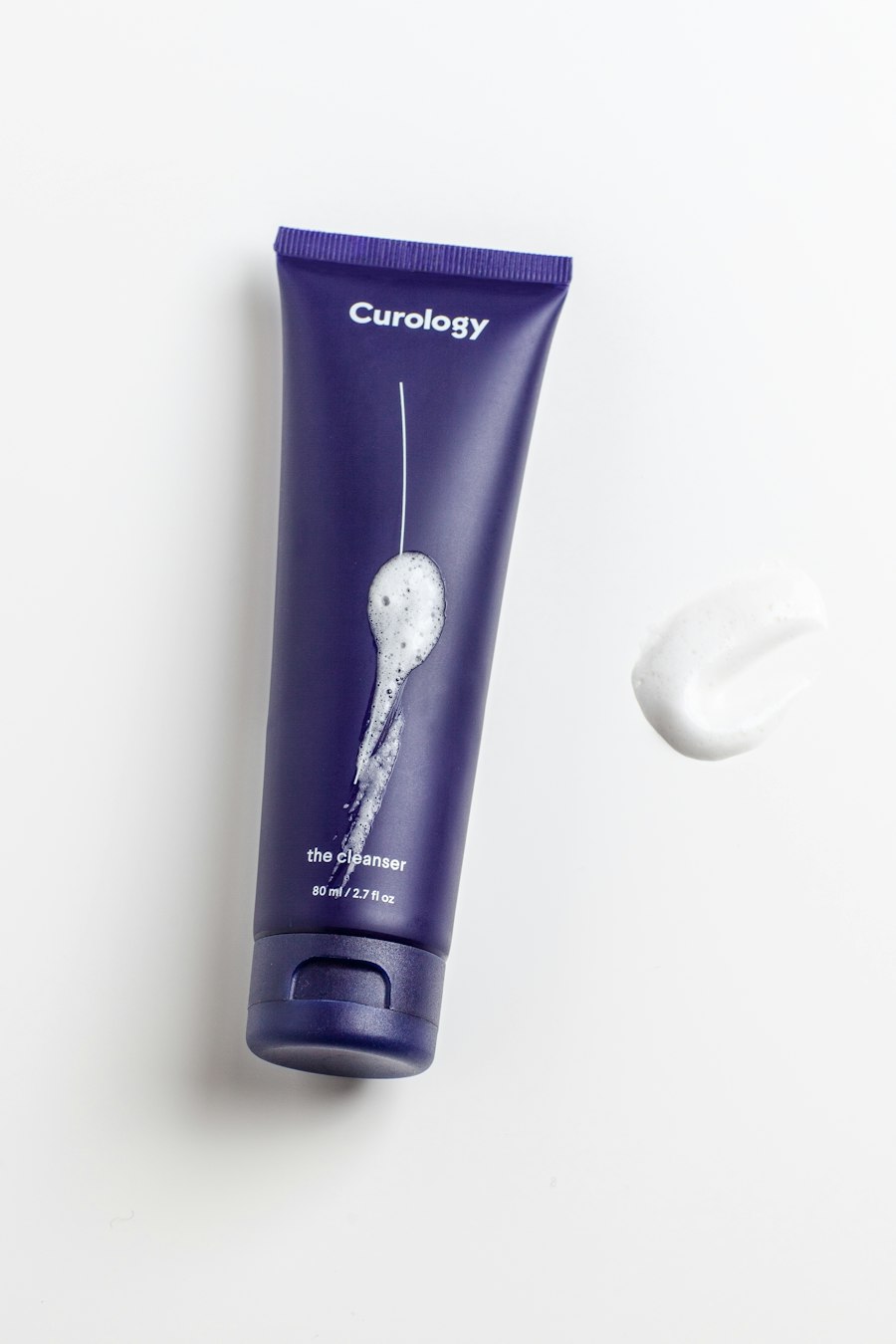
Photo via Unsplash, of the kind of organized counter I aspire to but rarely have.
Why the Order of Skincare Layering Actually Matters
Your skin is not a sponge. It does not absorb everything you slap on it equally, no matter how expensive the bottle is.
The reason skincare layering order matters is because each product has a job, and that job depends on whether the layer underneath gave it room to work. If you put a heavy cream on first, your serum will sit on top of it and not penetrate properly. If you skip the toner, your serum has to work harder to get past dry skin.
Dermatologists at the American Academy of Dermatology recommend layering from the lightest texture to the heaviest, because thinner formulas need to reach the skin first before being sealed in by occlusives. That is the whole logic in one sentence.
. . .
The Universal Rule: Thinnest to Thickest
The single most useful thing I learned about how to layer skincare products is that texture is your guide.
Watery essences and toners go first. Lightweight serums next. Then anything gel based. Then creams. Then oils or balms. Sunscreen sits at the end of the morning routine, always.
If you press a drop between your fingers and it feels like water, it goes early. If it feels like butter, it goes late. This one rule alone will save you from 80 percent of layering mistakes.
It really is that simple, even when the brands try to make it complicated.The Beginner Skincare Layering Order, Step by Step
Here is a clean morning sequence. I am using product categories, not brand names, because what matters is the type, not the marketing.
1. Cleanser. A gentle one in the morning, water based, usually a low pH. CeraVe Hydrating Cleanser, La Roche Posay Toleriane, or any drugstore option that does not strip your skin works fine. Splash, lather, rinse, pat dry.
2. Toner or essence. This is the watery layer that prepares your skin to absorb the next steps. Look for ingredients like glycerin, hyaluronic acid, or panthenol. Pat it in with clean hands, do not wipe with cotton.
3. Treatment serum. One serum per concern is plenty. Niacinamide for oil control and brightening. Vitamin C for radiance and morning antioxidant defense. Hyaluronic acid for hydration. Wait 30 to 60 seconds before the next step so the serum has time to bind to your skin.
4. Eye cream. Pat under and around the eye orbital bone with your ring finger. The skin here is thinner, so you do not need much, just a grain of rice amount.
5. Moisturizer. This seals in everything that came before. Lighter gels for oily skin, richer creams for dry skin. CeraVe Daily Moisturizing Lotion, Cetaphil DAM, or Beauty of Joseon Dynasty Cream are reliable starter options.
6. Sunscreen. SPF 30 or higher, broad spectrum, every single morning even when it is cloudy. This is the single most effective anti aging step you will ever take, and it always goes last in the morning.
. . .
Evening Layering: Where the Real Repair Happens
The evening routine is where your skin actually heals. The morning is mostly about protection, but the evening is when your barrier rebuilds.
The sequence shifts slightly at night. Double cleanse if you wore sunscreen or makeup, starting with an oil cleanser to break down SPF, then a water based cleanser to clear away the rest. Follow with toner, then your treatment of choice, retinol or AHA or BHA, depending on the night. Wait 10 to 20 minutes after retinol before the next step to reduce irritation.
Then a hydrating serum, then your moisturizer, and on dry winter nights I add a thin layer of squalane or a slugging balm at the very end. Skip sunscreen at night, obviously.
Slugging works because the occlusive layer on top traps everything underneath against your skin overnight. The Korean skincare community calls this jamsu for the face, and it is genuinely one of the better hydration tricks for cold months.
How Long to Wait Between Skincare Layers
Most beginners either wait too little or too long.
The general rule is 30 to 60 seconds between layers, until the previous layer feels mostly absorbed but not completely dry. If you wait until the layer is bone dry, the next one has trouble spreading. If you do not wait at all, you get pilling, that gross little roll of product on your skin.
For active ingredients like retinol or AHAs, wait longer, closer to 10 to 20 minutes, especially if your skin is sensitive. Byrdie has a useful breakdown on exact wait times for different actives that I have referenced more than once.
. . .
Common Mistakes I Have Personally Made
I once layered niacinamide directly on top of vitamin C and turned my face red for three days. I have used too much retinol on a Monday and walked into the office Tuesday looking like a sunburned tomato. I have applied sunscreen before moisturizer because I was in a rush and watched it pill all day.
The mistakes you make become the rules you remember. Do not use vitamin C and niacinamide back to back if your skin is sensitive, separate them by morning and night. Do not stack three actives in one routine. Do not put oil under water based products, oils need to come last because nothing penetrates them.
Also, do not introduce three new products at once. Add one at a time, give it two weeks, see how your skin reacts before adding the next.
If you want a deeper read on building a sensitive skin routine from scratch, my older post on skincare for sensitive skin travelers walks through the gentlest possible starter stack. And if you are curious about what a Korean approach to layering looks like, I broke it down after my Seoul trip in this Korean skincare guide for beginners.
How to Adjust Skincare Layering for Different Skin Types
Not every skin needs the same number of layers. Oily and acne prone skin usually does best with three to four light layers in the morning, focused on hydration and SPF, with stronger actives at night. Dry skin benefits from richer creams and more humectant layers, often six steps or more in winter. Sensitive skin should keep the routine short and simple, no more than four products until the barrier feels stable again.
Combination skin can layer differently across zones. I use a richer cream on my cheeks and a lighter gel on my T zone, applied separately. It sounds fussy, but it has stopped my forehead from breaking out while keeping my cheeks comfortable.
Key Takeaways
- The fundamental rule of how to layer skincare products is thinnest to thickest, water based before oil based.
- Wait 30 to 60 seconds between most layers, longer for active ingredients like retinol.
- Sunscreen always goes last in the morning, no exceptions, even on cloudy days.
- Introduce one new product at a time and give it two weeks before judging it.
- Adjust your number of layers and richness based on skin type, not what looks good on TikTok.

Frequently Asked Questions About Skincare Layering
Can I layer vitamin C and niacinamide together?
Yes, modern formulations are stable together, but if your skin is sensitive, using vitamin C in the morning and niacinamide at night is the safer route. Watch for redness or stinging when first combining them.
How many skincare products is too many?
For most people, six steps or fewer is plenty. More than that and you risk pilling, irritation, and just wasting money. The skin can only absorb so much in one sitting.
Do I need to wait between every single layer?
Not always, but a short pause helps. Between hydrating layers like toner and serum, 30 seconds is enough. Between a treatment and an active, wait one to two minutes. Between retinol and the next step, give it 10 to 20 minutes.
Should sunscreen go before or after moisturizer?
Always after moisturizer. Moisturizer is skincare, sunscreen is protection. Putting moisturizer on top of sunscreen can disrupt the SPF film and reduce its effectiveness.
What if my products pill when I layer them?
Pilling usually means you applied too much, did not wait long enough, or you are layering silicone heavy products that are not compatible. Use less, wait longer, or test the products separately to find which one is the culprit.
. . .
If this guide on how to layer skincare products helped clarify the order for you, I would love to hear what your current routine looks like in the comments. And if you want a more travel focused take, my piece on building a minimalist skincare routine for trips might be next on your reading list.