I used to think eating out every meal was part of the magic of traveling. Then one rainy Tuesday in Porto, I stood in a tiny Airbnb kitchen and made myself eggs and tomatoes on toast, and something quietly shifted. This is a guide on how to cook in your Airbnb when you travel, written from years of trial and error in kitchens across four continents. I want to share the small habits that make it actually doable: what to buy, what to skip, and why a borrowed kitchen can feel more like home than any restaurant ever will.
. . .
Key Takeaways
- A travel pantry only needs five things: salt, olive oil, garlic, lemons, and one good spice.
- Foreign grocery stores teach you more about a place than any food tour ever could.
- Most Airbnbs have a salt shaker, a chipped pan, and one decent knife. That is genuinely enough.
- Cooking on the road slows your trip down in the best way.
- You do not need to be a good cook to do this. You just need to be hungry and a little curious.
. . .
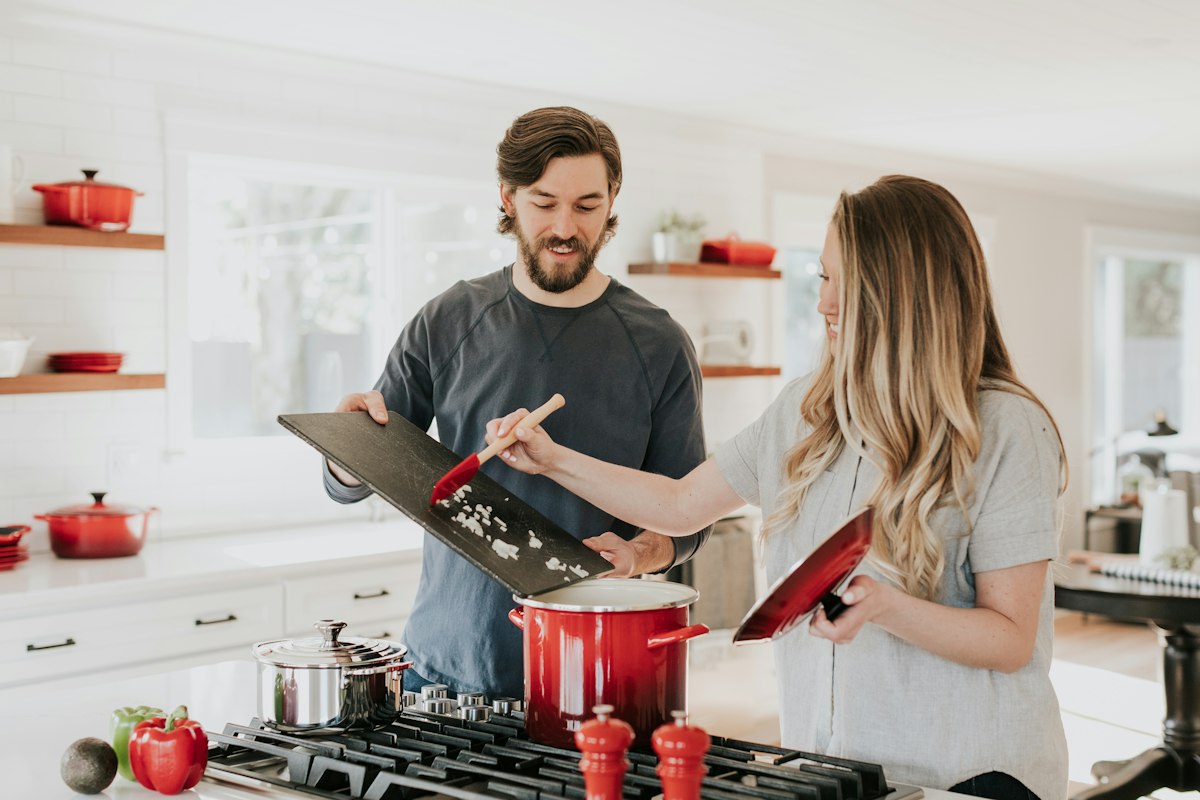
The Day I Got Sick of Eating Out
It happened in Lisbon. I had been on the road for three weeks, eating restaurant meals twice a day, and my body started to feel like it was running on fumes. Everything tasted heavy. My skin was breaking out. I was tired of being handed a menu in a language I half understood, then nodding politely and hoping for the best.
So I walked into a Pingo Doce around the corner from my Airbnb and bought eggs, tomatoes, a hunk of bread, butter, and a small bag of greens. I went back to the apartment, opened the fridge, and felt this small wave of relief I did not expect. It was the kind of relief you feel when you take off shoes that have been pinching you all day, except in your stomach.
Sometimes the most foreign thing you can do in a foreign country is cook.
The thing about restaurants when you travel is that they are designed for someone who is performing the experience of being somewhere. You sit upright. You pose. You translate the menu and feel a little proud. Cooking is the opposite. Cooking means you are no longer a tourist for an hour. You are just a person making dinner. The neighbor's TV is on too loud. The kettle takes forever. Someone else's spice drawer smells like cumin and old paprika. It all feels normal in a way that no restaurant ever does.
I think this is what slow travel actually is, when you strip away the marketing language. It is not about the duration of your stay. It is about the small acts that make a place feel like yours, even briefly. Cooking is one of the most reliable ones I have found. (For more on this kind of travel, you might enjoy my guide to slow solo travel in Lisbon.)
. . .
What a Travel Pantry Actually Looks Like
When I started cooking in Airbnbs, I packed too much. I brought spices I never used. A whole jar of nutritional yeast that exploded in my checked bag and turned my favorite sweater the color of butter. A tiny wooden spatula that did not survive customs in Bangkok. A bottle of fancy soy sauce that leaked all over a notebook full of train tickets.
Now my travel pantry is five things, and they live in a small zip pouch in my carry-on:
A small bag of Maldon flaky salt. Hotel salt is fine in a pinch, but Maldon makes everything feel like a meal. A pinch on top of buttered toast. A scatter on tomatoes. It is the closest thing I have to magic dust.
A tiny bottle of really good olive oil, decanted into a 100ml travel container. The kind of oil that smells like the place it came from. I will sometimes buy a small bottle of local oil at my destination instead, but a good baseline never hurts.
A few dried bay leaves, wrapped in foil. They take up no room and turn any pot of beans into something. A bay leaf is a cheat code.
One spice that feels like home. For me it is sumac, picked up in Beirut last year. It works on eggs, salads, roasted vegetables, almost anything. (I wrote about that whole spice-collecting day in my post on a Lebanese cooking class in Beirut, if you want a longer story about how this spice became my travel companion.)
A clean kitchen towel. This is the most underrated travel item. Most Airbnbs have one sad threadbare towel, and a fresh one makes the kitchen feel like yours.
That is it. Everything else, I buy when I land.
Pack like the kitchen is going to be empty, because it usually is.
. . .
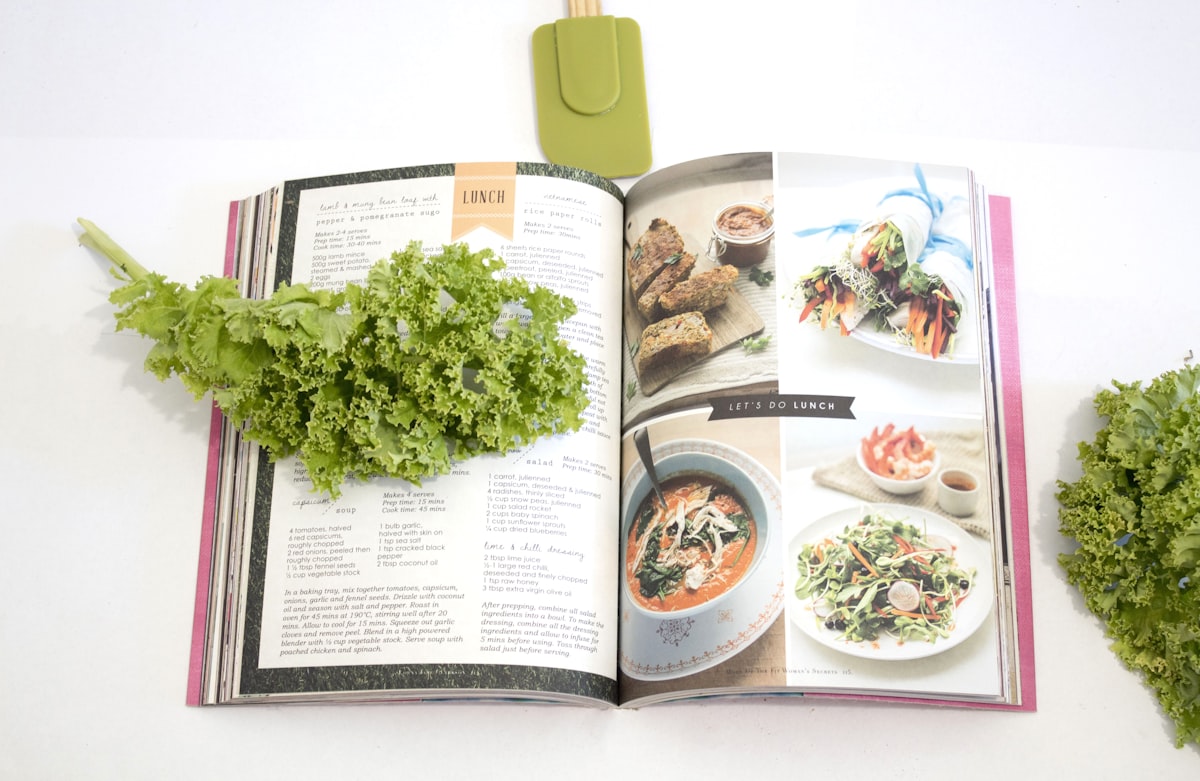
The First Three Things I Buy at Any New Grocery Store
Walking into a foreign grocery store for the first time is one of my favorite parts of traveling. It is more honest than any guidebook. You see what people actually eat, what is in season, what they are willing to pay for. You see the kind of butter the country takes seriously. You see whether they bag their bread or trust you to carry it home in your hands.
If you want a deeper read on why eating like a local is more than a cliché, the food writing at Serious Eats is a good rabbit hole.
My first three buys are always the same:
Bread. The local stuff, whatever the bakery section seems most proud of. In Tokyo it was milk bread, soft and slightly sweet. In Marrakech, khobz, still warm enough to fog the bag. In Madrid, a baguette so good I almost cried at a bus stop. Bread is how I introduce myself to a place's standards.
Eggs. Every culture has them, and they are the easiest fallback meal in the world. Soft scrambled with butter and salt, eaten standing up at the counter, is a perfectly fine dinner after a long day of walking. The eggs in some countries have darker yolks, brighter color, taste richer. I take note. I never get tired of this.
Whatever fruit is in season. In Italy in July, that is peaches so soft they bruise on the way home. In Vietnam in February, dragonfruit. In England in September, the saddest little plums you have ever seen, which somehow taste like the best thing.
If I have those three things in the fridge, I can survive almost anywhere.
. . .
The Recipes That Travel With Me
I am not going to pretend I cook fancy meals on the road. Most of what I make is what I would call a peasant dinner. One pot, one pan, mostly vegetables, heavy on salt and acid. I think the best food writing in the world, from NYT Cooking to small home blogs, agrees on this in some form: simple ingredients, treated well, beat fancy ones treated badly.
A few of the recipes I make over and over, in kitchens from Kyoto to Cape Town:
Garlic toast with whatever is on it. Bread, olive oil, raw garlic rubbed on the surface, a slice of tomato, a pinch of salt. If there is a sad piece of cheese in the fridge, even better. This is dinner more nights than I would like to admit, and I never once feel like I lost out.
A pot of white beans. Onion, garlic, olive oil, a can of beans, water, bay leaf, salt. Simmer until it tastes like dinner. Eat with bread. The number of meals this single technique has saved me, in Airbnb kitchens with two pans and no real knife, is honestly a little embarrassing.
Eggs in tomato sauce. Crush a can of tomatoes in a pan. Cook for ten minutes. Crack two eggs into the sauce. Cover. This is shakshuka if you are in Morocco, eggs in purgatory if you are in Italy, breakfast if you are tired anywhere.
Anything cooked in butter and finished with lemon. Mushrooms. Greens. Asparagus. A piece of fish if I am feeling fancy. Butter, heat, lemon. The trinity. If you only ever learn one technique to use in a borrowed kitchen, learn this one.
The simplest food, eaten in someone else's kitchen, is the best souvenir.
. . .
What Cooking in Other People's Kitchens Has Taught Me
I once made dinner in a Lisbon kitchen with two pans and a butter knife. I once cooked on a single induction burner in a tiny Seoul studio. I once made pasta in a Tuscany rental on a stove that only had two working knobs and a clock that ran ten minutes fast.
What I have learned is that you do not need a beautiful kitchen to make a beautiful meal. You need salt, fat, heat, and time. You need to be willing to be a little inefficient. You need to accept that the pan is no longer non stick and the eggs will scramble whether you want them to or not.
You also learn things about where you are. Buying parsley in a Vietnamese market because the cashier patiently explained what she thought I meant, and waving when I came back the next day. Realizing the Italian grandmother in the apartment downstairs left you a basket of figs because she overheard you trying to find them at the corner shop. The man at the spice market in Beirut who threw in extra sumac when he saw I was buying enough to make a habit of it.
These are the things you do not get when you eat out every meal. These are the things I came home with that I still think about, years later. None of them appear in the photos. All of them, somehow, are why I went.
. . .
FAQ
Do most Airbnbs actually have working kitchens?
Most do, but the quality varies a lot. I always check the listing photos for a stove and at least one pan. If it says "kitchenette," assume you will be working with a microwave and a hot plate, which is still enough for soft scrambled eggs. If it says "fully equipped kitchen," check the reviews for words like "missing" or "broken" before you trust it.
What is the easiest meal to cook in any Airbnb kitchen?
Eggs. Buttered toast with a fried egg on top, salt, pepper, a slice of tomato. Three ingredients. Five minutes. Always works.
How do I deal with not having my favorite spices when I travel?
Pack a tiny ziplock with one spice that feels like home. For me it is sumac. For a friend of mine it is Korean chili flakes. Everything else, you buy at the market and leave behind, or split with whoever you are traveling with.
Is it cheaper to cook in your Airbnb than to eat out?
Yes, significantly. A grocery run for a week of breakfasts and a few dinners has cost me less than two restaurant meals would cost in most major cities. The savings add up quickly on a longer trip.
What if I am a bad cook?
You do not need to be a good cook to do this. You need a hot pan, butter, salt, and one fresh ingredient. That is the whole secret.
. . .
If you have a favorite recipe you cook on the road, I would love to hear it. Tell me in the comments below, and follow along here for more cooking adventures from kitchens across the world. The kettle is on. The bay leaf is in the pot. The kitchen is yours for the night.