If you have ever stood in your kitchen at 7 PM with a bag of takeaway in your hand and a quiet feeling that you wanted something more interesting in your life, this post is for you. Cooking one new cuisine a month is the simplest, slowest habit I have ever picked up, and it has done more for my curiosity, my budget, and the way I travel than any productivity hack I have tried. In this guide, I will walk you through exactly how I run my "cuisine of the month" rhythm, the cuisines I rotated through last year, and what this monthly cooking challenge actually taught me about being on the road. You will leave with a beginner-friendly month-by-month plan, a starter pantry list, and the small mindset shift that makes the whole thing stick. Most of all, I want you to see that cooking one cuisine a month at home is the most underrated way to travel the world without leaving your apartment.
. . .
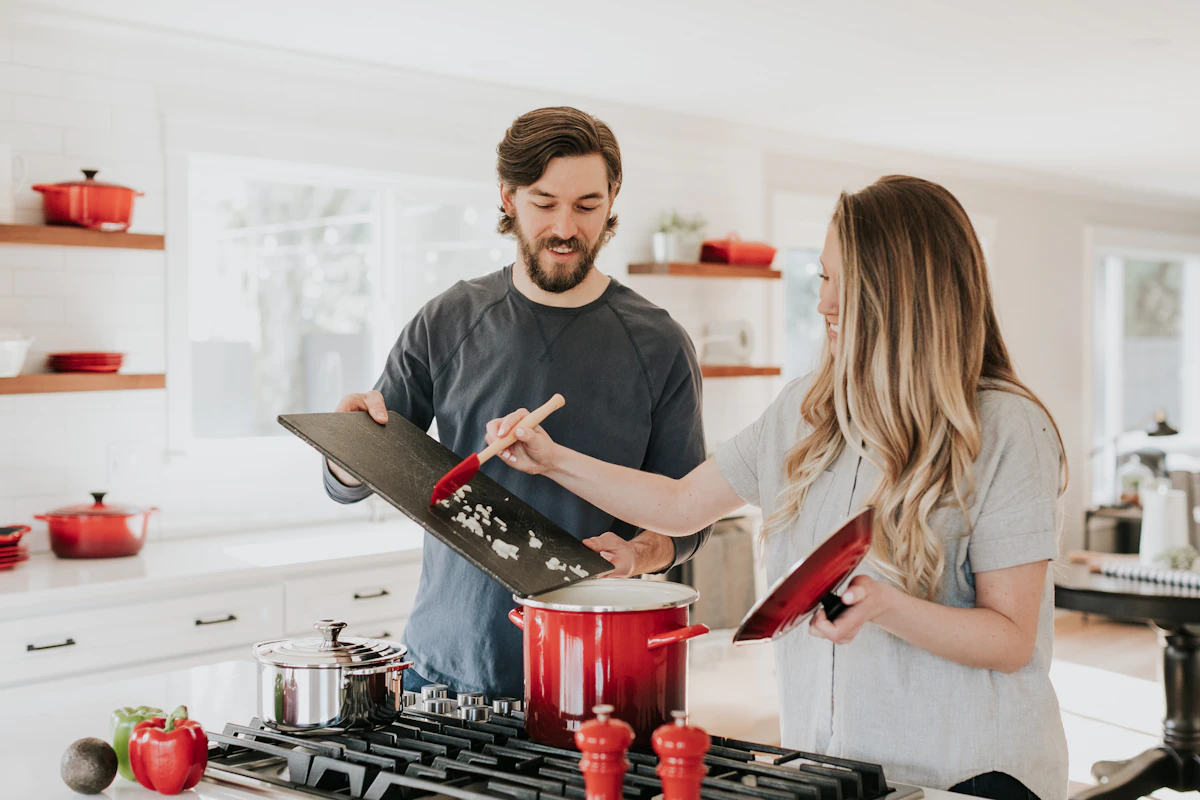
Why Cooking One New Cuisine a Month Even Works
Most cooking goals fail because they are too vague. "Cook more at home" is a wish, not a plan. Picking one cuisine for thirty days is a constraint, and constraints are what actually change behaviour.
When you commit to one cuisine, you stop scrolling through fifty random recipes every Sunday and start building something. By week two, you have a feel for the spice cabinet of that country. By week four, you have a small mental map of how meals are structured there, what ingredients show up in five different dishes, and which technique is the heart of it all.
It stops feeling like cooking and starts feeling like learning a language.
That is the shift I did not expect. Cooking one cuisine a month became the closest thing to a private tutoring session in food culture. And it cost me almost nothing.
How I Actually Run My Monthly Cooking Challenge
I keep this stupidly simple, because complicated systems collapse the second life gets busy. Here is the rhythm, week by week.
Week one is research. I pick the cuisine, watch one short documentary or YouTube series about the food culture, and write down five dishes that are considered everyday meals there. Not the famous restaurant ones. The home ones.
Week two is the pantry run. I make a single trip to a specialty store or order online from somewhere like Kalustyans in New York, Sous Chef in the UK, or my local Asian or Middle Eastern grocer. I get the three or four ingredients that show up everywhere and skip the rest.
Week three is the practice cook. I attempt two of my five dishes, badly, with no pressure to make them perfect. Most of the time I am just learning where the heat is supposed to go.
Week four is the dinner. I cook one of those dishes properly for someone I love, or for myself with candles and a real plate. That is the whole month.
The First Year of Cuisines I Rotated Through
The best way to show you this works is to walk you through what I actually did. I did not start with anything fancy. I started with the cuisines I was already curious about from travel.
January was Lebanese. I learned to layer sumac, za'atar, and pomegranate molasses from a Beirut cooking class playbook, and the leftover labneh has now become a permanent fixture in my fridge.
February was Vietnamese. The first time I balanced fish sauce, lime, sugar, and chilli in a nuoc cham dressing, I understood why people say Vietnamese food is the cuisine of harmony.
March was Korean. Kimchi-jjigae and a homemade gochujang glaze taught me that fermented heat is its own kind of comfort food.
April was Mexican. I bought one dried guajillo, one ancho, and one chipotle from a small Latin grocer near my place and finally understood why nobody serious calls dried chillies interchangeable.
May was Moroccan. Preserved lemons in a jar on my counter for forty days, and a chicken tagine that smelled exactly like the rooftop in Marrakesh I still think about.
I will not list all twelve months, but you get the idea. The pattern was always the same. Pick a place, learn its pantry, cook the home food, eat it slowly.
. . .

What This Habit Quietly Taught Me About Travel
Here is the part I really want to write about, because nobody told me this would happen.
When I cook a country before I visit it, I travel completely differently. I walk through markets and recognise things. I order without translating. I know which sauce on the table is the spicy one and which is the funky one. I am not a smarter traveller, just a more comfortable one.
Last September, I went to Lisbon for three days and walked into a tiny tasca near Mouraria with the same calm confidence I have in my own kitchen. I had spent the previous month eating my way through Portuguese stews and salt cod recipes, so when the menu came in Portuguese only, I just smiled and pointed at bacalhau à brás. That dinner felt like coming home, not visiting.
For more on how I shape solo trips around food, you can read my Lisbon solo travel guide and the piece on my Beirut cooking class spice drawer reset.
The Starter Pantry You Actually Need
People love to overcomplicate this. You do not need fifty ingredients to start cooking one cuisine a month at home.
For most cuisines, you need a strong base oil, a souring agent, a sweetener, an aromatic, and one spice blend that defines the place. That is it. For Lebanese, that is olive oil, lemon, date molasses, garlic, and za'atar. For Vietnamese, that is neutral oil, lime, sugar, shallot, and fish sauce. For Korean, that is sesame oil, rice vinegar, sugar, garlic, and gochujang.
If you only buy those five anchors per cuisine, you will already cook ninety percent of what shows up on a home table.
According to BBC Food's guide to building a global pantry, most home cooks underestimate how few ingredients actually unlock a cuisine, and overestimate the gear they need. I agree completely. A sharp knife, one heavy pan, a wooden spoon, and a real grater is enough for the first six months.
How to Pick Your First Cuisine of the Month
If you are new to this, do not pick the most exotic one. Pick the cuisine you are already curious about because of a memory.
Maybe your favourite high school friend's mom cooked Filipino food. Maybe you fell in love with that one Ethiopian restaurant in college. Maybe your last trip was to Istanbul and you still think about the breakfast spread.
Curiosity beats novelty every time. The cuisines that stick are the ones that already have an emotional door for you, and you walk through that door with a wooden spoon in your hand.
For deeper reading on how food memory shapes our taste, the team at Serious Eats has a beautiful archive of essays linking childhood meals to lifelong palate.
. . .

Mistakes I Made in My First Six Months
I bought too much, too fast. I had three different miso pastes after my Japan month, two of them unopened. I have since learned to buy the smallest jar available the first time I try an ingredient.
I tried to cook restaurant dishes instead of home dishes. Pad Thai is a brilliant Thai dish, but it is not the everyday meal a Bangkok family eats on a Tuesday night. Once I switched to home recipes, my cooking suddenly tasted right.
I skipped reading about the food culture and went straight to recipes. Big mistake. Twenty minutes of reading about why certain spices appear together changes the entire way you cook.
The Real Reason This Habit Sticks
The reason a monthly cooking challenge has lasted for me when "cook more at home" never did is that it is bigger than dinner.
It is a small monthly project that gives you something to look forward to, something to learn, and something to share. It collapses the gap between travel and home. It makes weeknights feel like soft little adventures.
And every once in a while, when you smell turmeric blooming in oil at 8 PM in your tiny kitchen, you realise you are quietly building yourself a more interesting life.
Key Takeaways
- Cooking one cuisine a month at home is a structured, slow habit that turns vague intent into real skill within four weeks.
- Run the month in four phases: research, pantry, practice, dinner.
- Buy five anchor ingredients per cuisine, not fifty.
- Pick cuisines tied to a memory or a recent trip, not random novelty.
- Cook home meals, not restaurant headliners, if you want it to actually taste right.
Frequently Asked Questions
How long does it take to feel comfortable in a new cuisine?
About three to four weeks if you cook two or three times a week. By the end of the month, you will have an instinctive feel for the dominant flavours, the everyday ingredients, and the basic techniques. You will not be a master, but you will be at home in that kitchen.
Is cooking one cuisine a month expensive?
It does not have to be. Most months I spent under thirty dollars on the new ingredients, because I only bought the five anchors. The rest is staples I already had. Buying small jars first also keeps waste low.
What if I do not have specialty stores near me?
Online stores like Kalustyans, Sous Chef, and Amazon Fresh now ship most international ingredients to almost any country. You can also subscribe to a global pantry box like Try The World once or twice a year to discover ingredients before you commit.
Can I do this if I travel a lot?
Yes. Some of my favourite months were ones where I was on the road, because I cooked the cuisine of the city I was in or the country I had just left. Travel and the monthly cooking challenge actually amplify each other.
Which cuisine should I start with?
Start with the cuisine that has the strongest emotional door for you. A childhood meal, a favourite trip, a beloved restaurant. The first one should feel familiar enough that you finish month one and want to start month two right away.
. . .

If you are picking your first cuisine this week, I would love to hear which one in the comments below, and if you want more posts like this, you can read my travel cooking staples post for the five ingredients I bring on every trip. Slow kitchens, slow growth, slow joy. That is the whole point.