If you have ever opened your fridge at 8 PM after a long day, stared at a wilting bunch of cilantro and three random condiments, and then ordered delivery anyway, this guide is for you. Meal prepping for one person is not about perfect color coded containers or Instagram worthy grain bowls. It is about building a system that actually works when you are the only one eating, the only one shopping, and the only one cleaning up. This guide covers everything from grocery planning to storage hacks, so you waste less food, spend less money, and still eat something genuinely good every single night.
. . .
Why Meal Prep for One Person Feels So Different
Most meal prep content online is designed for families or couples. The recipes yield six to eight servings. The shopping lists assume you will use an entire head of cauliflower in one week. The container sets come in packs of twelve.
When you live alone, the math changes completely.
You are not feeding a household. You are feeding one very specific human with very specific moods.
A 2024 USDA report found that single person households waste approximately 40% more food per capita than multi person homes. The reason is simple: portion sizes, bulk packaging, and recipes that refuse to scale down. Meal prepping solves this, but only if you approach it differently than the family sized tutorials suggest.

. . .
The Sunday Myth (And What Actually Works)
You do not need to spend four hours on Sunday afternoon cooking seven days of food. That model burns people out within two weeks. I have tried it. Multiple times.
What works instead is what I call the "two plus three" method:
Cook two base proteins on one day (usually Sunday or Monday). Think a sheet pan of roasted chicken thighs and a pot of lentils. Then on Wednesday or Thursday, spend 20 minutes prepping three accompaniments: a quick pickled onion, a big batch of roasted vegetables, and one sauce or dressing.
The goal is not to eat the same lunch five days in a row. The goal is to have building blocks that remix into different meals.
This approach keeps things interesting. Monday might be chicken over rice with pickled onions. Tuesday is lentil soup with roasted vegetables. Wednesday is a grain bowl with both proteins, the sauce, and whatever greens you have left.
. . .
Your First Grocery Haul: What to Actually Buy
Here is where most solo meal preppers go wrong. They buy too many fresh vegetables and not enough shelf stable staples.
Proteins (pick 2 to 3): Bone in chicken thighs (they reheat better than breast), a block of firm tofu, one can of chickpeas, and eggs. You do not need more than this for one week.
Grains and Starches (pick 2): Jasmine rice (cooks in 15 minutes, stores beautifully), and either sweet potatoes or a box of pasta. Quinoa is fine too but it dries out faster in the fridge.
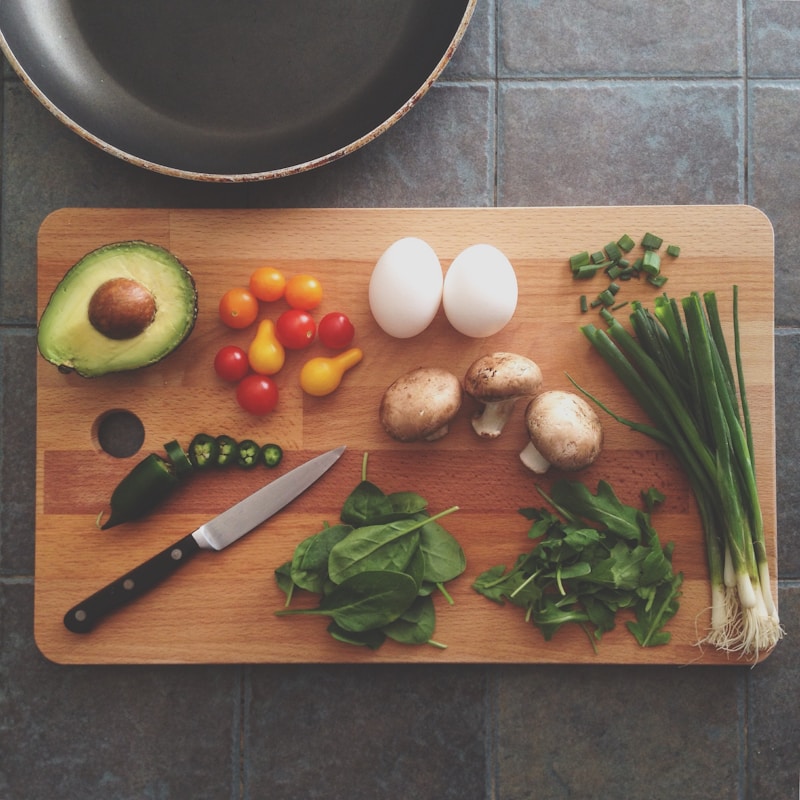
Vegetables (pick 3 to 4, max): One hearty vegetable that lasts all week (carrots, cabbage, or broccoli). One leafy green for raw eating (arugula holds up better than spinach). One allium (a bag of shallots or a bunch of green onions). One wildcard based on what looks good at the store.
Flavor builders: A jar of chili crisp, one lemon, a small bunch of fresh herbs (cilantro or parsley), good olive oil, and soy sauce. These turn plain roasted vegetables into something you actually want to eat at 9 PM on a Tuesday.
. . .
Storage: The Part Nobody Talks About Enough
The difference between meal prep that lasts and meal prep that turns into a sad science experiment by Thursday comes down to storage.
Glass containers with snap lids are worth the investment. Plastic absorbs smells and stains from turmeric and tomato sauce. I use 2 cup containers for individual portions and one large 8 cup container for soups and stews.
Let food cool completely before sealing. Trapping steam creates condensation, which makes everything soggy by day two.
Store sauces and dressings separately. A grain bowl with dressing mixed in on Sunday is a mushy disaster by Wednesday. Keep them in small mason jars or even reused jam jars.
Freeze anything you will not eat within three days. Cooked rice freezes beautifully (add a splash of water before microwaving). Soups and stews freeze for up to three months. Roasted vegetables do not freeze well, so plan to eat those first.
Label everything with the date. Your future self at 11 PM will not remember when you made that curry.
. . .
Five Meals That Actually Reheat Well (For One)
Not everything survives the fridge. Here are five meals I rotate constantly because they taste as good on day three as day one:
1. Turkish style red lentil soup (Mercimek Corbasi): Red lentils, one diced onion, a carrot, tomato paste, cumin, and a squeeze of lemon at the end. Makes about four servings. Gets better as it sits because the flavors meld.
2. Chicken thighs with gochujang glaze: Bone in thighs roasted at 425F with a glaze of gochujang, honey, soy sauce, and rice vinegar. The bones keep the meat moist during reheating. Serve over rice with a fried egg.
3. Roasted chickpea and sweet potato bowls: Chickpeas and cubed sweet potato tossed in smoked paprika and olive oil, roasted until crispy. Top with tahini dressing and whatever greens survive the week.
4. Japanese style curry (Vermont Curry brand): One box of Vermont Curry roux, two potatoes, one carrot, half an onion. Simmers in 30 minutes, yields four to five servings, and genuinely tastes better the next day. A staple in single person households across Tokyo for a reason.
5. Pasta e ceci (pasta with chickpeas): A Roman pantry classic. Canned chickpeas, garlic, rosemary, short pasta, and a parmesan rind if you have one. Hearty, cheap, and stores for four days easily.
. . .
The Emotional Side of Cooking for One
Here is something nobody puts in their meal prep guides: cooking for yourself can feel pointless sometimes. When there is nobody to share the meal with, when nobody will notice if you just eat crackers and hummus for the third night in a row, the motivation disappears.
But feeding yourself well is one of the most fundamental acts of self respect that exists.
I started thinking of meal prep not as a chore but as a gift from past me to future me. Sunday me is doing Wednesday me a favor. Wednesday me is genuinely grateful. That small reframe changed everything.
Put on a podcast. Pour yourself something nice to drink while you chop. Play music loud enough that the neighbors can hear. Make the process enjoyable, not just the result.
. . .
Common Mistakes When Meal Prepping for One Person
Cooking too many different things. Three components is plenty. Five is overwhelming and guarantees waste.
Ignoring texture. If everything in your fridge is soft and saucy, you will crave crunch by Wednesday. Always keep something crunchy on hand: toasted nuts, pickled vegetables, raw cabbage, or crispy shallots.
Forgetting breakfast. Overnight oats take two minutes to assemble. Steel cut oats can be made in a big batch and reheated all week with different toppings. Do not let meal prep be lunch and dinner only.
Not adjusting for seasons. Summer meal prep looks different from winter meal prep. In July, lean into cold grain salads, gazpacho, and no cook options. In December, soups, stews, and roasted everything.
. . .
Key Takeaways
- The "two plus three" method (2 proteins on day one, 3 accompaniments mid week) prevents burnout better than marathon Sunday cooking sessions
- Single person households waste 40% more food per capita, making intentional meal prep especially impactful for solo living
- Store sauces separately, freeze anything you will not eat within 3 days, and always label with dates
- Choose recipes that reheat well: soups, braised proteins, and grain bowls outperform salads and crispy textures
- Treat meal prep as a form of self care, not a productivity hack
FAQ
How long does meal prepped food last in the fridge?
Most cooked proteins and grains last 3 to 4 days in the fridge when stored properly in airtight containers. Soups and stews can stretch to 5 days. If you will not eat something within that window, freeze it on day one or two for best quality.
How much should I spend on groceries for one person per week?
The USDA estimates a moderate food budget for one adult at roughly $75 to $95 per week in 2025. With meal prep, most people spend $50 to $70 because you waste less and buy more intentionally. Buying staples in bulk (rice, lentils, canned goods) brings costs down further.
Do I need special containers for meal prep?
You do not need expensive matching sets. Glass containers with snap lids (Pyrex or IKEA 365 series) work well and last years. Start with four to six 2 cup containers and two larger ones for soups. Avoid plastic if possible because it stains and retains odors.
What if I get bored eating the same prep all week?
That is exactly why the building blocks approach works better than cooking complete meals. When you have separate proteins, grains, vegetables, and sauces, you can remix them differently each day. Add different toppings, change the sauce, or wrap everything in a tortilla instead of putting it in a bowl.
Is meal prep worth it if I only cook for myself?
Absolutely. Single person households benefit the most from meal prep because the alternative (cooking a fresh meal every single night) is exhausting, and the other alternative (ordering delivery constantly) is expensive. Even prepping just two or three components saves 3 to 4 hours of decision making and cooking time across the week.
. . .
You might also like: How to Build a Pantry That Lets You Cook Almost Anything and How to Cook for One Without Wasting Food.
For more on batch cooking science, check out Serious Eats on food storage and USDA food waste data.
If you found this helpful, I write about cooking, solo travel, skincare, and the strange beautiful experience of building a life on your own terms. Follow along.